
All experiences - Page 3
Oh no, it's raining! Don't panic, whether you are with adults or with your family, we suggest 10 activities to do on the rare days when it rains in the Thau Archipelago.
1 - Let's go to the movies?
Comfortably installed in your seat, with a packet of popcorn in your hand, enjoy the latest films in one of the two cinemas in Sète, the Comoedia and the Palace, at the Taurus in Mèze or the CinéMistral in Frontignan. Block-busters, art house films, screenings for young audiences, you're bound to find something to suit you! In autumn and spring, screenings are also organised every Sunday afternoon at the Piano-Tiroir cultural centre in Balaruc-les-Bains.
2 - Take advantage of the opportunity to learn something new!
In Sète, culture is king and can also ...

Discover 5 walking routes near Sète, to recharge your batteries and get some fresh air!
1 and 2 - Around Saint Félix de Montceau Abbey in Gigean
If you like beautiful panoramas, these routes are made for you! From the Gardiole massif, you can enjoy an incredible view of Sète, the Mediterranean and the Thau lagoon and its oyster beds.
There are two routes available to you:
- Easy level: duration 2h, distance 6,5km.
- Medium level: duration 4h30, distance 14,5 km.
3 - The Thau balconies, from Frontignan
The crossing of a fragrant pine forest will lead you to a first point of view on Frontignan and its vineyard. Climb again and this time you will enjoy a panoramic view of the Thau Lagoon, the Mont Saint-Clair and the lido. Don't forget to bring walking shoes...
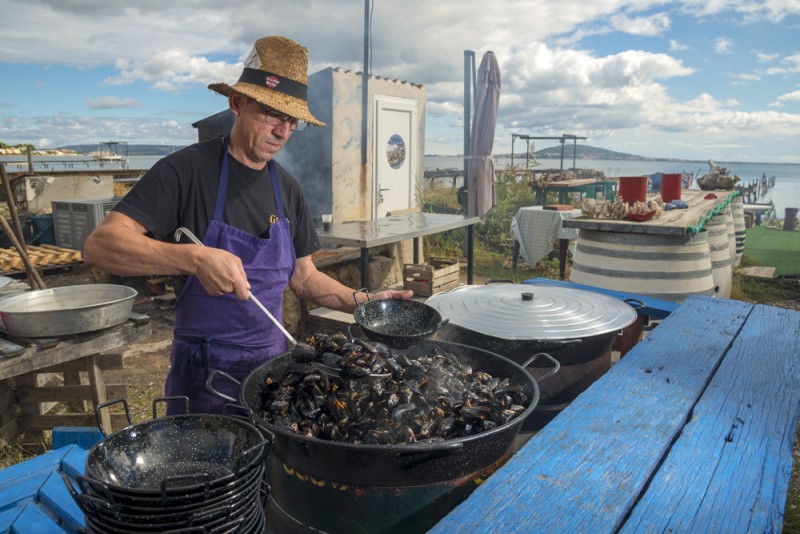
Nearly 3000 tons of Mediterranean mussels are produced each year in the Thau lagoon. And here, cooking them is an art. Ready for a tasting?
Discovery and delicacies
While on a trip to Mèze, I wander around the city centre and discover the covered halls. The atmosphere is friendly, the merchants call each other from one stand to another, and offer passers-by to taste their products. After picking bits of melons and a few olives, I stop in front of a shellfish farmer's stall.
He asked me to taste the mussel track. I, who only knew about marine mussels, am not being asked to do anything! These mussels, cooked, are marinated in olive oil and lemon and perfectly seasoned. A delight!
Amused by my enthusiasm, the producer explains to me that nearly 3000 tons of Mediterranean ...
Do you dream of escaping for a weekend?
Sète is the destination you need.
It plays the "artistic" card and knows how to preserve its popular soul. Leave for a weekend with a little extra soul.
Beware, Sète will catch you in its nets!
All the flavors are in the halls of Sète
A treat for the eyes and the taste buds! Every morning, local products are in the spotlight: tuna, red mullet, sea bass, monkfish and of course seafood and shellfish from the Thau lagoon.
To find out more
Expert advice:
In Sète, you can enjoy many local specialties: macaroni, stuffed mussels and squid, cuttlefish rouille, and the famous tielle sétoise... Don't miss this little pie filled with octopus, a true institution of Sète gastronomy.Artistic stroll
Visit the Open Sky Museum, thanks to i...
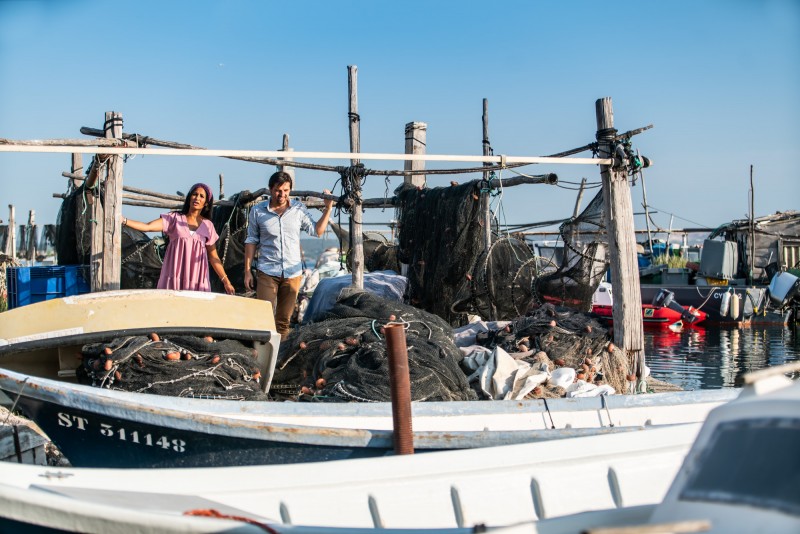
Explore La Pointe Courte district with huts, fishing nets, boats, lobster pots and stray cats...
A village inside the city and a world away.
It’s an unusual area with colourful facades, alleys and fishing nets drying on the docks.
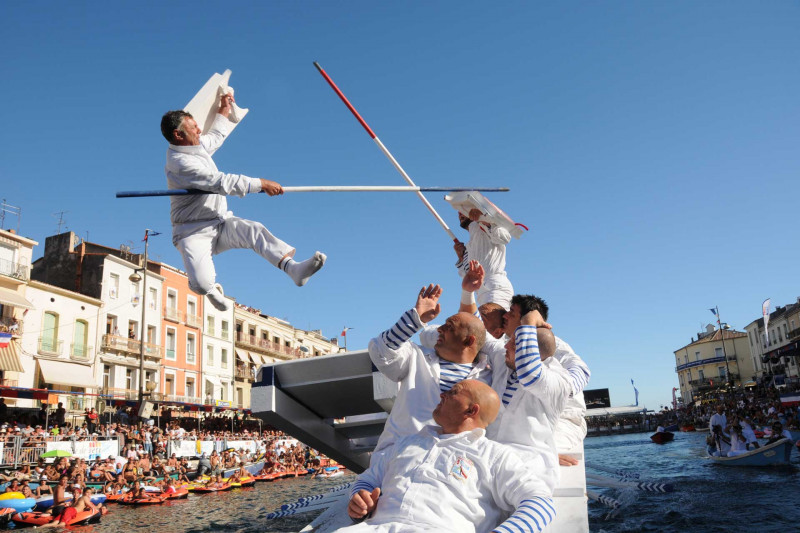
The residents of La Pointe Courte have their own identity. Read the street names and you’ll understand: traverses des jouteurs (jouster poles), des rameurs (rowers), des pêcheurs (fishermen), Rue la Pétanque just to name a few. Explore and see!
Sea bream is caught in October. Hundreds of fishermen on both sides of the canal eagerly await the inevitable passage of the fish from the lagoon to the sea. The quiet district turns into a frenzy each year.
On the other side of the Royal canal, opposite La Pointe Courte, stands the marine biology...
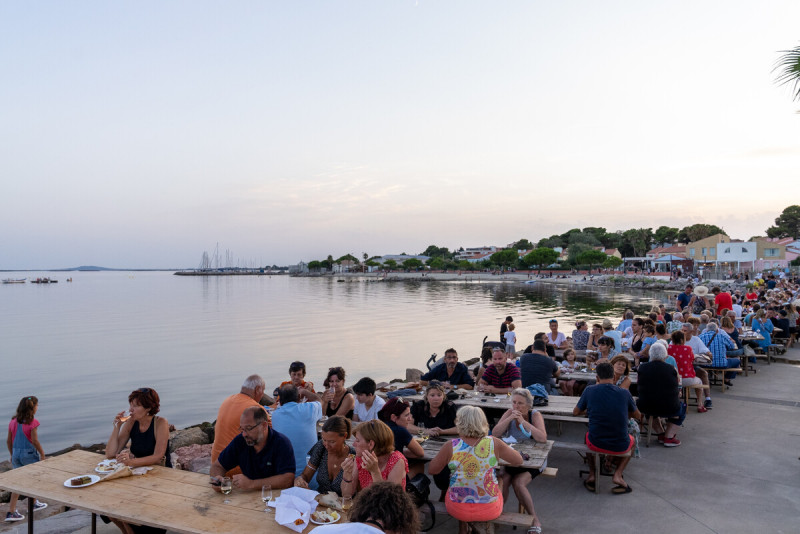
Summer is shaping up to be beautiful, hot and long... the perfect recipe for a lovely evening with friends or family. But what about spicing things up with an unusual experience at sunset? That's what we've come up with in this top list of things to do at dusk!
Kayakmed
We're off to a great start with a sea kayaking excursion on the Bassin de Thau. But before you take to the water with your paddle, let your instructor tell you what's in store for you on this tour with the evocative name "Sun Sète" (6-9pm). Once you've been introduced to the water, you can finally head off in the direction of Les Thocs, a real lagoon in Languedoc. It's here that you can watch the sunset while sipping a glass of local Muscat. Find out more here.
A little extra: Kayakmed has been awarded ...
Summer vacation with friends is clearly the best time of the year. No schedules, no strings attached, just cool sharing time.
When I booked the summer holidays for our group of friends, I already had a few criteria in mind, set during our last evenings: a trip that didn't make us waste too much time, a festival with a good program, the beach to recover from our evenings. And I had the perfect plan: the Thau archipelago.
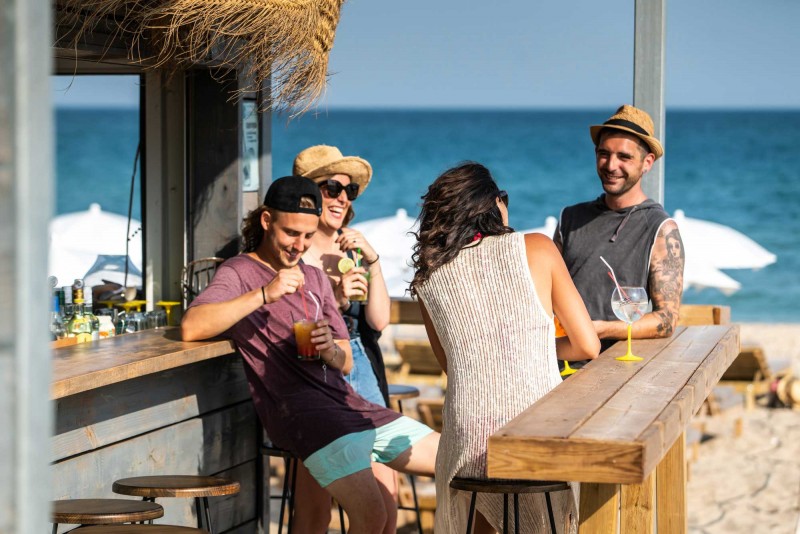
After a few hours on the train, we disembark in Sète and put down our stuff. Just enough time to change our clothes, and here we go for an afternoon on the beach, which will finally turn into an aperitif in a straw hut.
After a short stop in our rental for a small shower, direction the city center and its lively terraces to eat a bite to eat. We find ours...
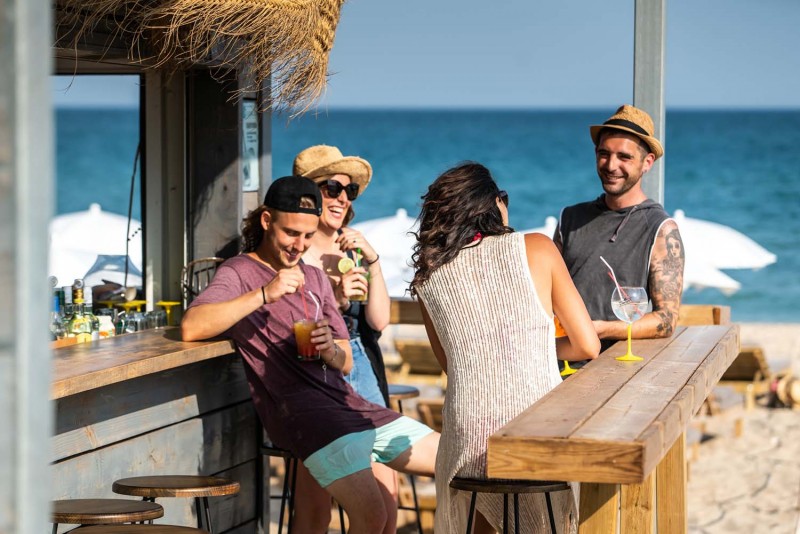
In the Thau Archipelago, there are two ways to eat with your feet in the water:
one, facing the lagoon, around a shellfish tasting,
the other, facing the sea, in a straw hut.
I've been told about both of these local experiences,
and I wonder which I'll prefer...
Act 1: Shellfish tasting in front of the lagoon
Here I am! Here I am at last between Bouzigues and Loupian, the view is breathtaking: the glittering blue of the water and the oyster beds as far as the eye can see... I can even see Sète and its famous Mont Saint-Clair in the distance.
Producers offering to taste mussels and oysters from the lagoon, that's not what is missing here! I choose a producer with a singing accent, whose place of production has been tastefully fitted out for tasting. I am warmly welcom...
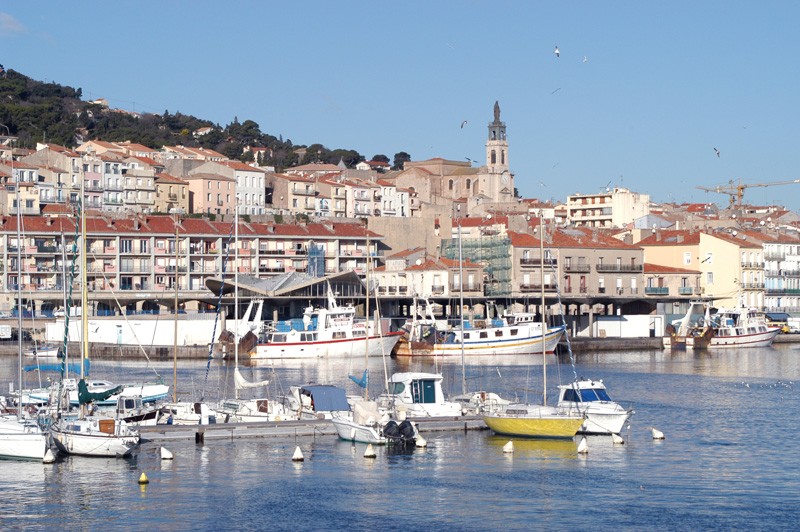
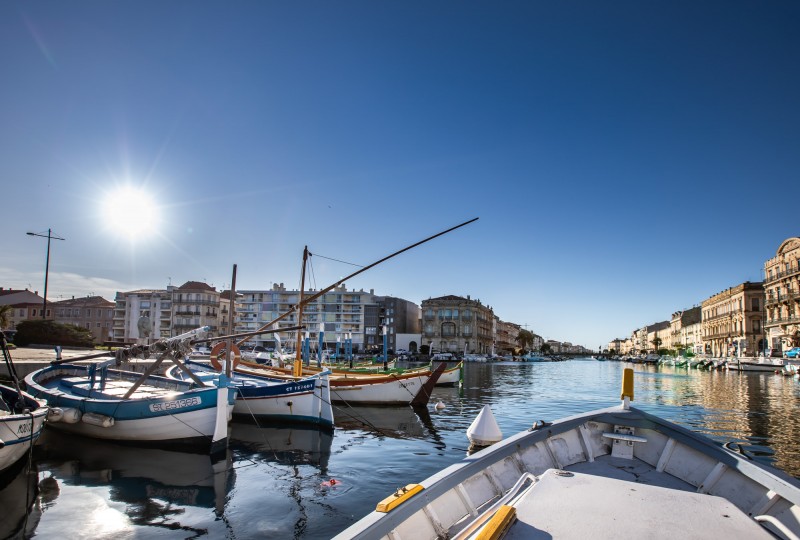
Water is everywhere in Sète.
It is the biggest fishing port in the Mediterranean, thanks to the fish auction, the flotilla of tuna boats and trawlers and small net-casting activity in the sea and lagoon.
The fishing port in the Royal canal, sheltered from the old port, is a special attraction that has always seduced sea lovers visiting Sète. The fabulous spectacle of trawlers returning to port every afternoon can be admired from the breakwater or the promenade overlooking the old dock.
In the heart of the old port, the Sète fish auction provides produce throughout France including Paris, Lyon, Toulouse, Marseille, as well as Italy and Spain. The 17 trawlers and small fishermen catch ten tonnes of fish every day. The fish auction sells 90 species including monkfish, red m...
Gastronomy, crafts, exceptional places...
Discover the charm of the Thau Archipelago!
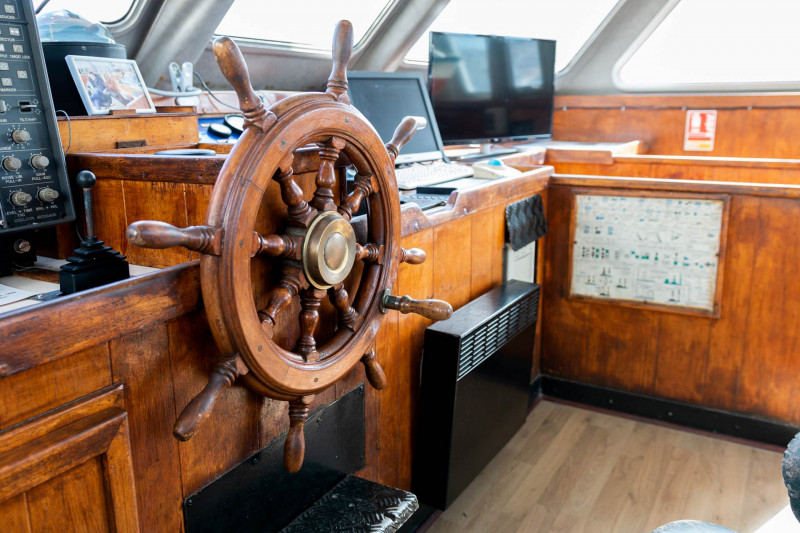
Sète and its canals, its atmosphere, its gastronomy, but also its small shops and workshops will not leave you indifferent! For a successful trip for two, you will have only the embarrassment of choice: going out on board an old rig, refined dinners, soothing treatments... Something to inspire you for your next stay!
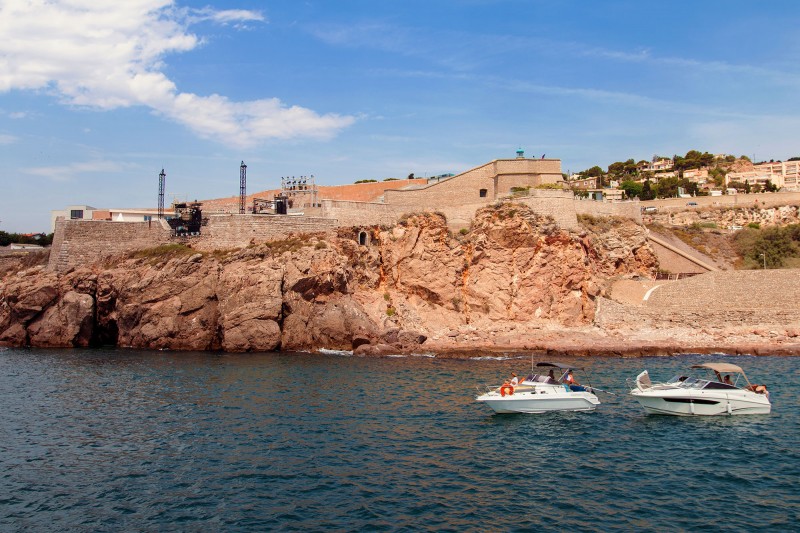
The theatre of the sea is an amphitheatre that is one with the rock and offers a face-to-face with the open sea,
bathed by the light of the moon and its reflections on the water. Irresistible.
At the foot of Mount Saint Clair, the Théâtre de la Mer dominates the Mediterranean. Every summer, this ancient 18th century fortification welcomes the great artistic events of the city of Sète. The acoustics are exceptional. It is the ideal setting for hosting the festivals organised during the summer season.
Originally Fort Saint-Pierre, the Theatre of the Sea was originally part, with the semaphore, of a defensive complex designed to protect the population and the port of Sète from land and sea attacks. Built on seven platforms arranged in an amphitheatre facing the sea, and equi...
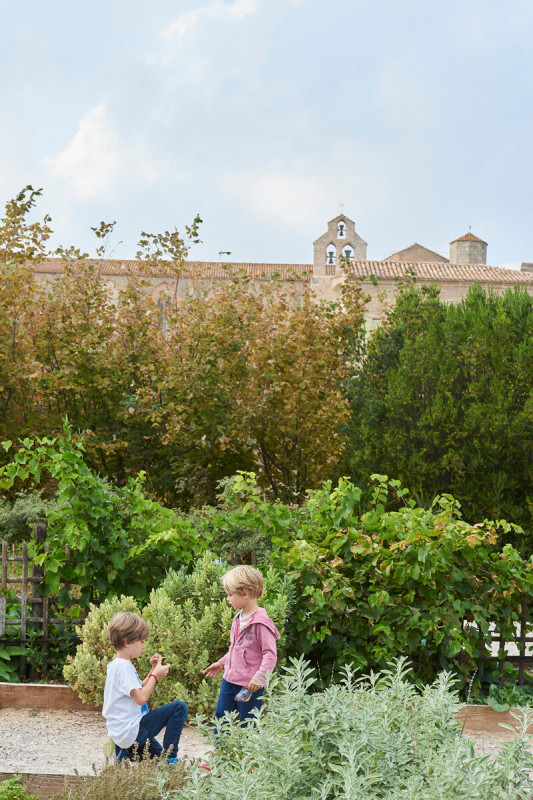
What better way to (re)discover the Thau Archipelago, its towns and monuments through a treasure hunt during your family holiday? This is the experience you can have in Sète, Villeveyrac, Frontignan-Plage or Balaruc-les-Bains. Don't wait any longer!
Barberoussette: the treasure hunt for young and old (Sète)
According to legend, the famous pirate Barberoussette was active in the maritime city at the end of the 16th century and hid his treasure there. Even today, many adventurers have tried to find it... Without success! Fortunately for you, the pirate left several pieces of the map that allow you to find his riches in Sète.
But before you can hope to find them all, you will have to solve several riddles related to the monuments and history of Sète. Go to the tour...