

Summer
In search of meaning...
Because you aspire to one thing only: freedom, the freedom to contemplate, the freedom to breathe as you please, to engage in activities rich in beautiful encounters.
In Sète, wherever you are, the sweetness of life is in the pleasure of all these moments. Draw from its light, its smells, its flavours and the gossip of its inhabitants the creative energy that generates authenticity.
Between the sea, the lagoon and the garrigues, this town set on the water will only reveal itself if you agree to lose yourself in the time it takes to walk along the paths of Mount Saint-Clair or the Pointe courte, the time it takes to have an impromptu picnic after a two-wheeled ride around the lagoon or to contemplate the sunset from one of the many viewpoints off...
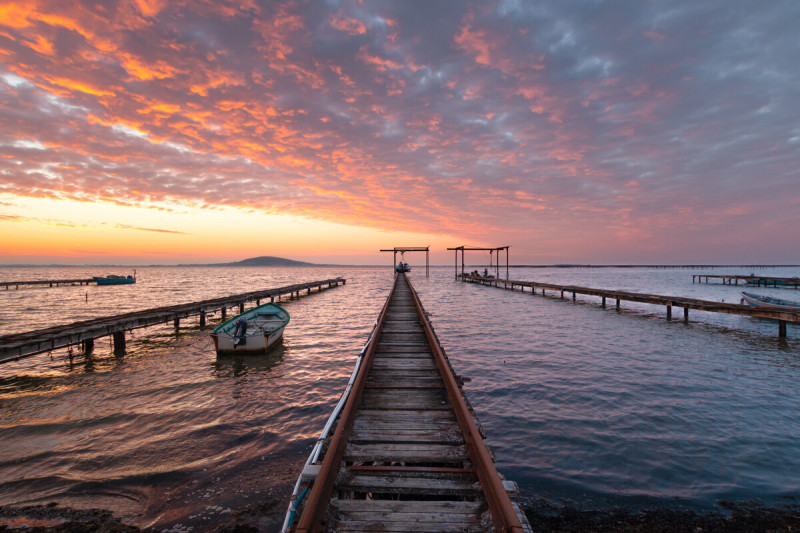
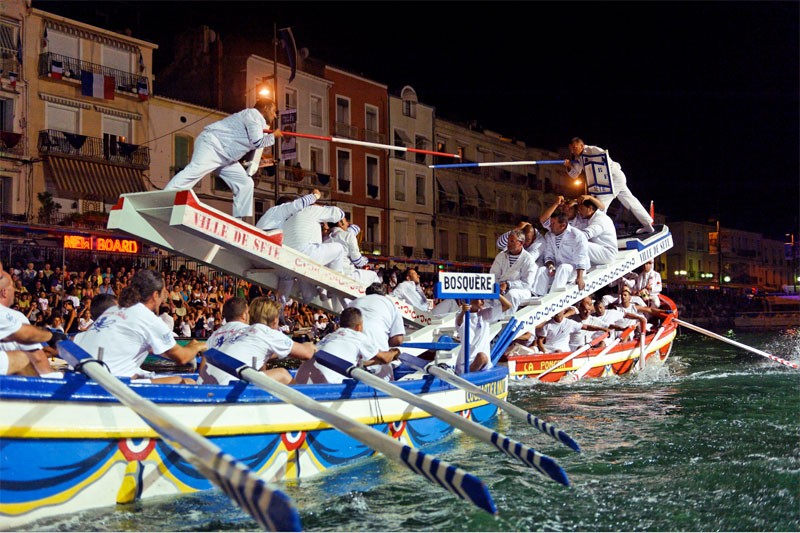
Today I discover the atmosphere of the famous Monday of Saint Louis, the great celebration of the city of Sète.
It's Monday! The last day of the feast of St. Louis, which began on Thursday. A full weekend for me. Between the various parades where all the districts are represented, the famous square ball tournament, the tribute to the railway workers and the concert at the Théâtre de la Mer. We end this party with the "heavy" category jousting tournament!We meet in the morning with our friends in the town hall square, or as the Sète people also call it "Place du Poufre "*. We're waiting for the famous macaroonade! Players and Sète eat this dish for occasions or on Sundays with the family, but especially before the Languedoc jousting tournaments.
Tomato sauce, sausage, me...
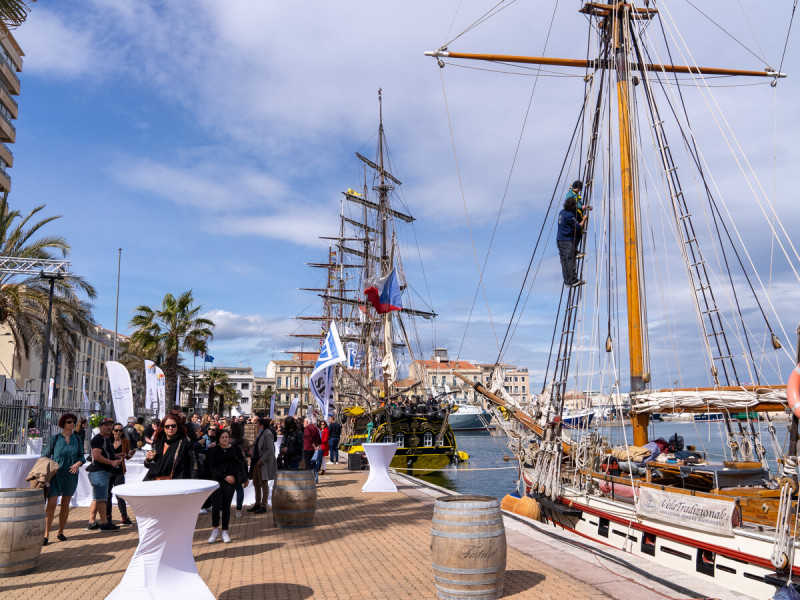
Share great moments and take advantage of the good weather to discover authentic and unmissable events in Sète.
OURSINADE (mid-March)
Every year in Sète, the Oursinade, a large open-air guinguette, attracts visitors who come to taste the best that the Thau Basin has to offer: sea urchins, but also oysters, mussels, tielles and other gastronomic and wine-making delights of the region.
IMAGES SINGULIÈRES (Ascension)
Images Singulières is the event that makes Sète exist in the very select world of photography. Devoted to its documentary bent, this festival celebrates, for 15 days, the diversity of views and gives us a glimpse of what words are not always enough to express. Vernissages, exhibitions, concerts, workshops, artists in residence...
K-LIV...
Gastronomy, crafts, exceptional places...
Discover the charm of the Thau Archipelago!
Sète and its canals, its atmosphere, its gastronomy, but also its small shops and workshops will not leave you indifferent! For a successful trip for two, you will have only the embarrassment of choice: going out on board an old rig, refined dinners, soothing treatments... Something to inspire you for your next stay!
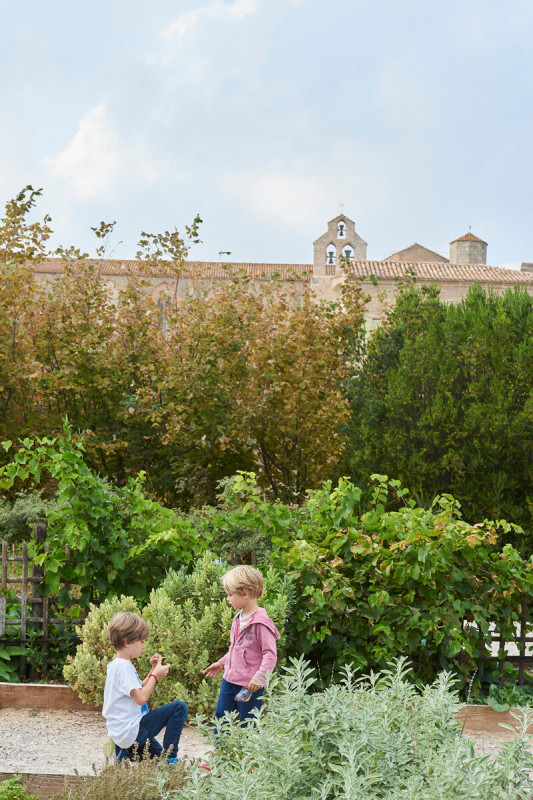
What better way to (re)discover the Thau Archipelago, its towns and monuments through a treasure hunt during your family holiday? This is the experience you can have in Sète, Villeveyrac, Frontignan-Plage or Balaruc-les-Bains. Don't wait any longer!
Barberoussette: the treasure hunt for young and old (Sète)
According to legend, the famous pirate Barberoussette was active in the maritime city at the end of the 16th century and hid his treasure there. Even today, many adventurers have tried to find it... Without success! Fortunately for you, the pirate left several pieces of the map that allow you to find his riches in Sète.
But before you can hope to find them all, you will have to solve several riddles related to the monuments and history of Sète. Go to the tour...
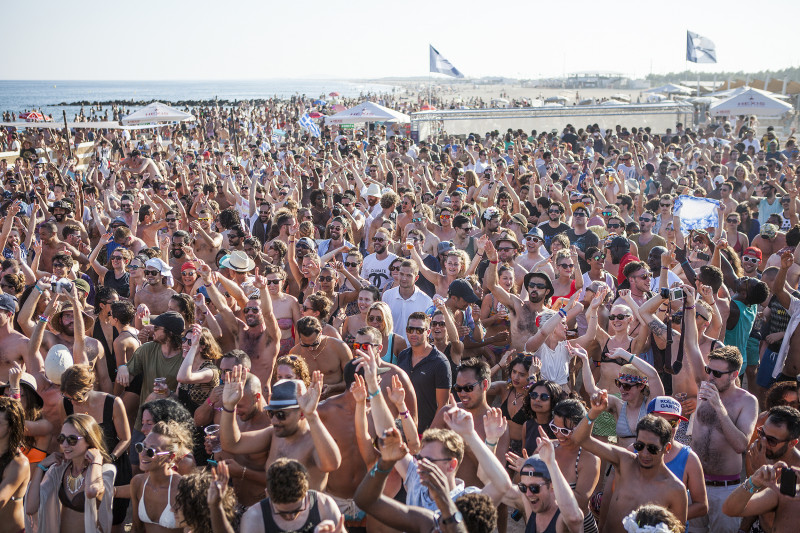
See you in 2024 to vibrate to the same rhythm in the Thau Archipelago! On the programme of this top (non-exhaustive) list of festivals: music, art, good local produce, a little reading and poetry...
K-Live (early June)
Each year, by leaving their mark on the walls of the city, they enrich the Musée à Ciel Ouvert (MACO) in Sète, which offers an artistic and picturesque stroll all year round, dotted with mural works. But the highlight of the K-Live Festival remains the beginning of June, when urban arts, visual arts and contemporary music concerts converge in the streets of the city centre and in the famous Théâtre de la mer.
When I think of Fernande (end of June)
When you think of Fernande, you actually think of the most gently impertinent festival in Sète. A real n...
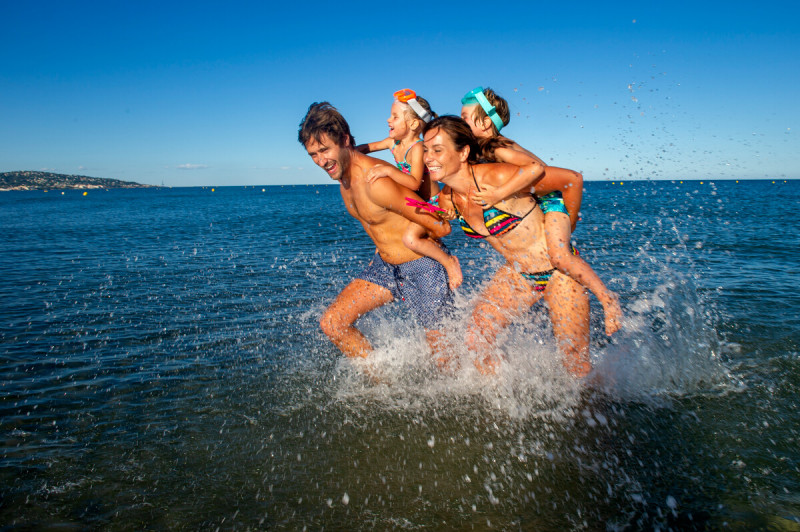
With 25 kilometres of fine sandy beaches, you are bound to find the ideal beach for you in the Thau Archipelago!
ACCESSIBLE
THE BEACH FOR ALL
All the seaside towns in the Thau Archipelago have beaches with walkways and Tiralos® (wheelchairs available at the lifeguard posts) adapted for bathing for people with motor disabilities, but only the beach at Balaruc-les-Bains has the Audioplage® system, which allows people with visual impairments to swim freely, independently and in optimum safety conditions. Balaruc-les-Bains is also one of the few French towns to have been awarded the national Destination for All label, recognising the spa's commitment to overall accessibility for people with disabilities.
FAMILY
NEVER WITHOUT MY CLANS
There is no shortage of family be...
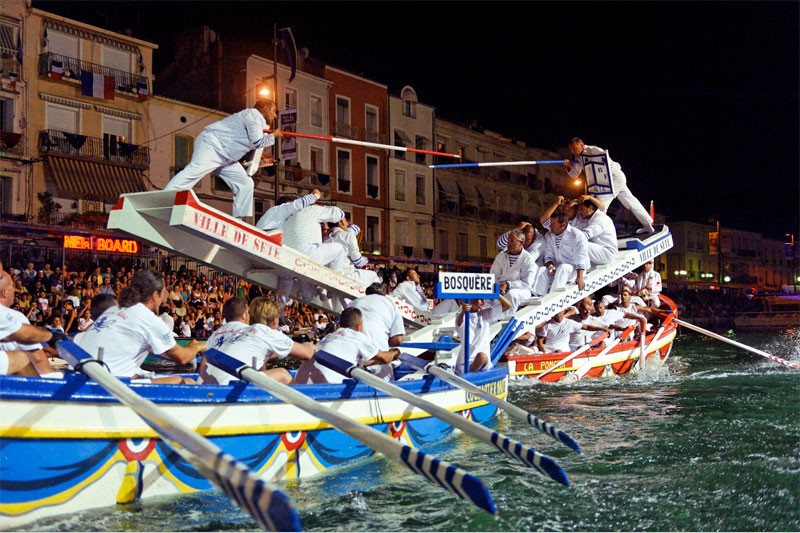
Today I discover the atmosphere of the famous Monday of Saint Louis, the great celebration of the city of Sète.
It's Monday! The last day of the feast of St. Louis, which began on Thursday. A full weekend for me. Between the various parades where all the districts are represented, the famous square ball tournament, the tribute to the railway workers and the concert at the Théâtre de la Mer. We end this party with the "heavy" category jousting tournament!We meet in the morning with our friends in the town hall square, or as the Sète people also call it "Place du Poufre "*. We're waiting for the famous "macaronade"! Players and Sète eat this dish for occasions or on Sundays with the family, but especially before the Languedoc jousting tournaments.
Tomato sauce, sausage, ...
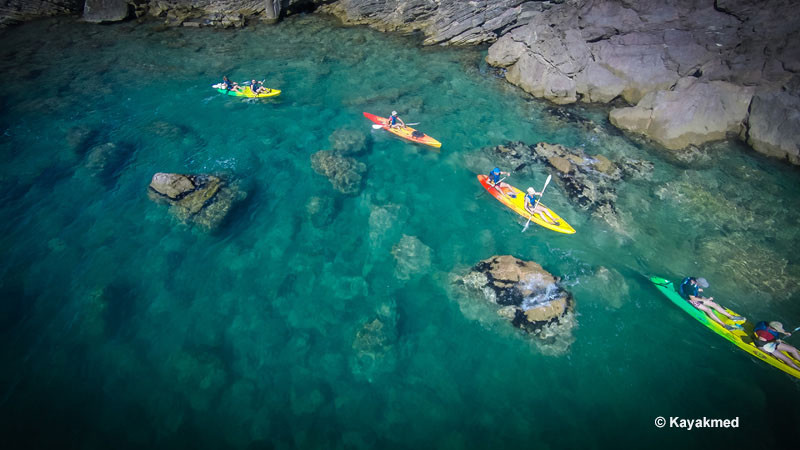
Kayak through our territory!
Discover the fauna and flora, come and taste the oysters from the Thau lagoon or simply rent a kayak and go on an adventure in complete autonomy. From Marseillan to Frontignan via Sète, Mèze and Balaruc-Les-Bains, sail towards an exceptional nautical adventure.
Go on an expedition, between sea and pond!
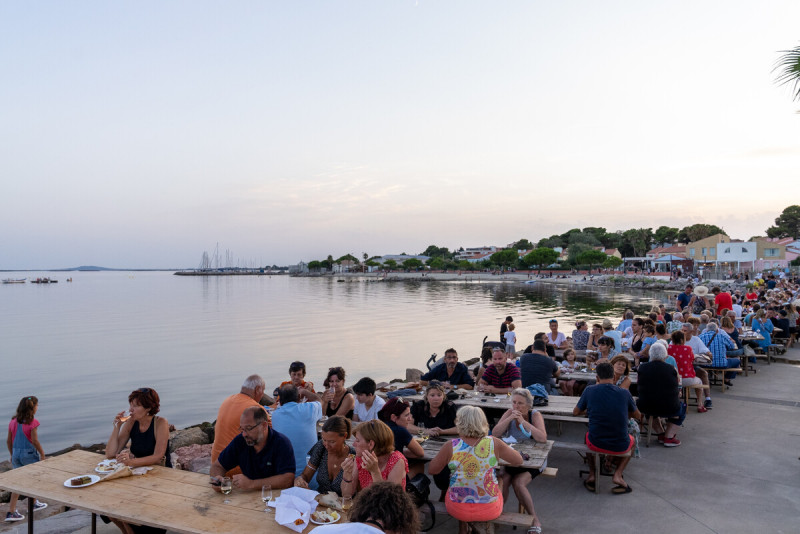
Summer is shaping up to be beautiful, hot and long... the perfect recipe for a lovely evening with friends or family. But what about spicing things up with an unusual experience at sunset? That's what we've come up with in this top list of things to do at dusk!
Kayakmed
We're off to a great start with a sea kayaking excursion on the Bassin de Thau. But before you take to the water with your paddle, let your instructor tell you what's in store for you on this tour with the evocative name "Sun Sète" (6-9pm). Once you've been introduced to the water, you can finally head off in the direction of Les Thocs, a real lagoon in Languedoc. It's here that you can watch the sunset while sipping a glass of local Muscat. Find out more here.
A little extra: Kayakmed has been awarded ...
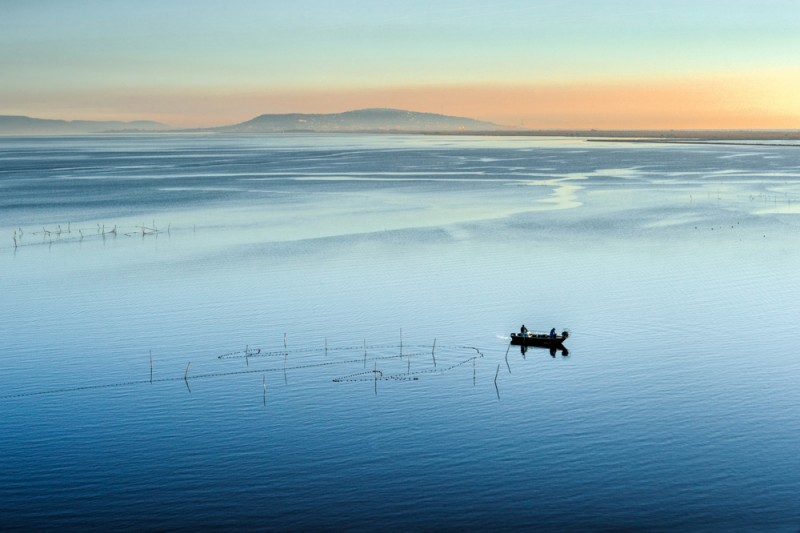
Thau lagoon is a stunning example of biodiversity.
An ecological gem, the lagoon is 20 km long and 5 km wide. It is separated from the Mediterranean by a long stretch of sand, known as the Lido. The salty water has made it the ideal breeding place for oysters and shellfish since antiquity.
The only one of its kind in France and listed a Natura 2000 site, the lagoon is a reservoir of biodiversity with nearly 400 plant species and 100 animal species including clams, sea snails, sea urchins, sea bream, mullets, seabass and the famous seahorse that attracts divers from around the world.
Shellfish farms occupy over 1,300 hectares of the water in Thau lagoon.
Shellfish are Thau lagoon’s main resource. Oysters and mussels are grown by 800 farms on 2,800 shellfish rafts.
Take ...
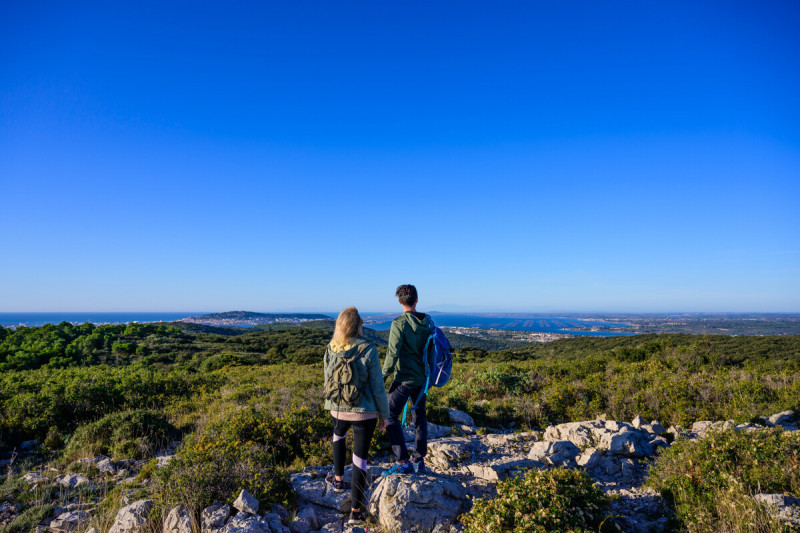
Walks in the salt marshes or in the heart of the garrigue, observation of insects and birds, visits to vineyards... These are all experiences that the Tourist Office offers you during a "Nature outing".
Discovery of emblematic places
Whether you are a connoisseur of the wilderness that makes up the Thau Archipelago or an initiate, each "Nature outing" is a great opportunity for you to learn more about the history, fauna and flora that make up the archipelago.
We invite you to meet us near the Occitan villages of Balaruc-les-Bains, Frontignan and Loupian to (re)discover the terraces of the Gardiole, the old salt marshes, the Aresquiers wood, the abbey of Saint-Félix, the gulf of Aigues-Mortes...
So, open your eyes wide so as not to miss anything of the landscapes of the ...
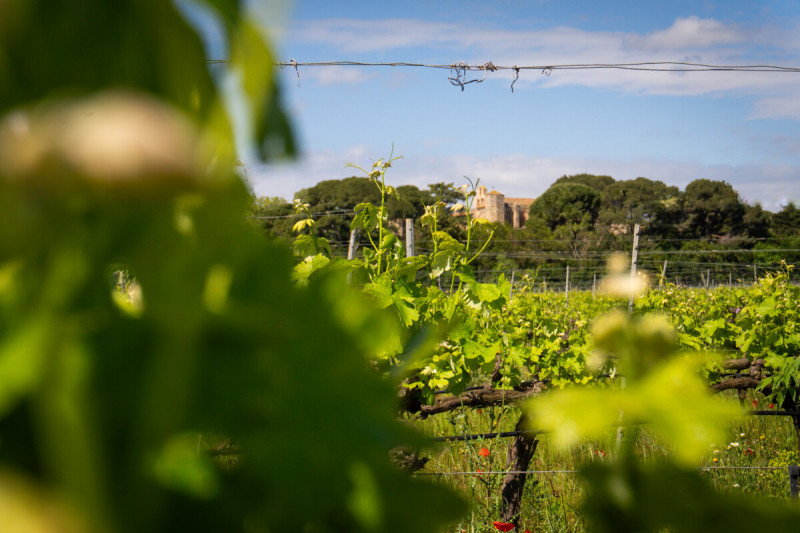
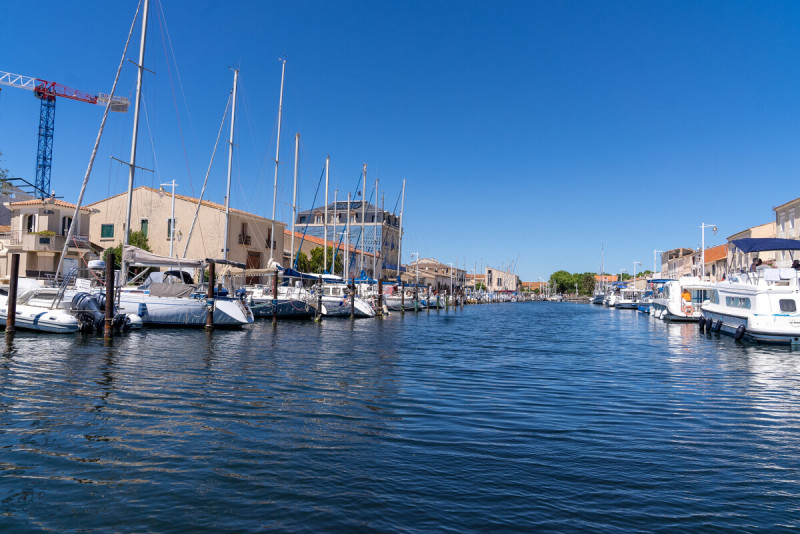
For a prestigious and luxurious stay, the Archipelago of Thau is the place to go for your next holiday. Here, you can expect a thousand and one top-of-the-range experiences in beautiful accommodation, restaurants....
The Miramar villa
Facing the Mediterranean, with its back to the Thau basin, this is the setting that awaits you at the Villa Miramar!
Located in Frontignan, this exceptional guest house, with its 5 "épis" rating from the Gîtes de France, offers four rooms and an unusual cabin, all of which open onto the sea, as well as numerous services and facilities that will make your prestigious stay unforgettable.
You can, for example, take advantage of the 17-metre long heated infinity pool to take a dip before enjoying your cocktail on the immersed terrace, o...
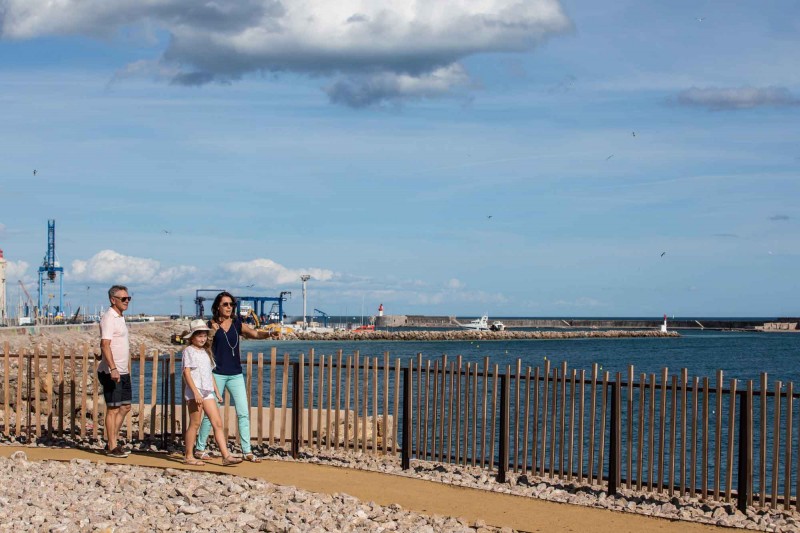
We discovered Sète a few years ago during a romantic weekend. Today, we are introducing our daughter to this little piece of paradise.
Today the sun is shining brightly. The ideal weather for a family day in Sète. First stop: the Museum of the sea, to help our daughter discover the history of the city, deeply linked to its maritime heritage.Then we take a walk on the docks. The façades are colourful, the water smells like iodized water, you'd think you were somewhere else, thousands of kilometres away from home. We admire the trawlers, the boats with the charm of yesteryear, and we observe fish swimming in the canal. Impossible to resist all the restaurants with their lively terraces from which laughter escapes from all sides. The opportunity to taste a delicious cuttlefis...
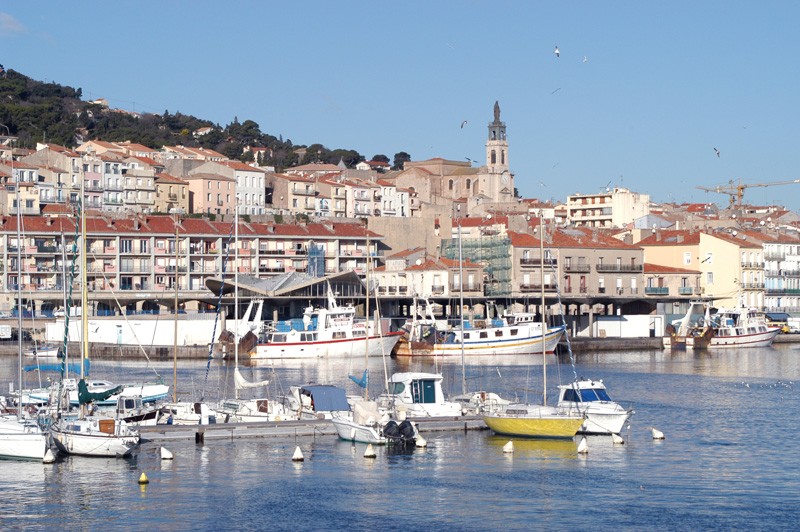
Water is everywhere in Sète.
It is the biggest fishing port in the Mediterranean, thanks to the fish auction, the flotilla of tuna boats and trawlers and small net-casting activity in the sea and lagoon.
The fishing port in the Royal canal, sheltered from the old port, is a special attraction that has always seduced sea lovers visiting Sète. The fabulous spectacle of trawlers returning to port every afternoon can be admired from the breakwater or the promenade overlooking the old dock.
In the heart of the old port, the Sète fish auction provides produce throughout France including Paris, Lyon, Toulouse, Marseille, as well as Italy and Spain. The 17 trawlers and small fishermen catch ten tonnes of fish every day. The fish auction sells 90 species including monkfish, red m...
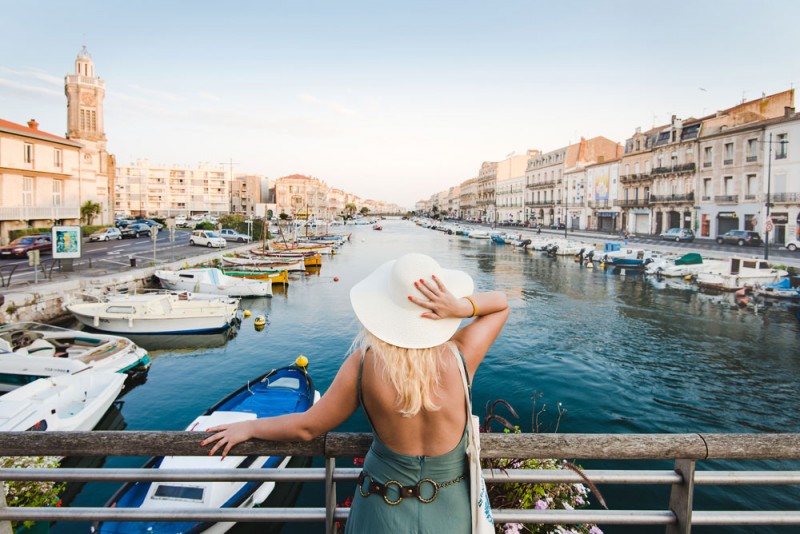
Lifestyle in Sète is imbued with tasteful elegance.
Join us for a unique and perennially fashionable getaway. Be chic and dare to indulge yourself.
A showcase of poetry and beauty, Sète is an elegant backdrop for its fascinating history. The canals winding through the heart of the city tell the incredible tale of the Canal du Midi and the glorious history of the wine trade.
Hop aboard a Venetian taxi on the Royal canal and discover why Sète is known as the "the little Venice of Languedoc". The sweet scent of Italy floats through the air as you pass under the bridges.
Paul Valéry, Georges Brassens, Hervé Di Rosa, Agnes Varda… the city inspires artists. Sète has been a model and a subject for songs, paintings and films. Art abounds.
Visit workshops ope...
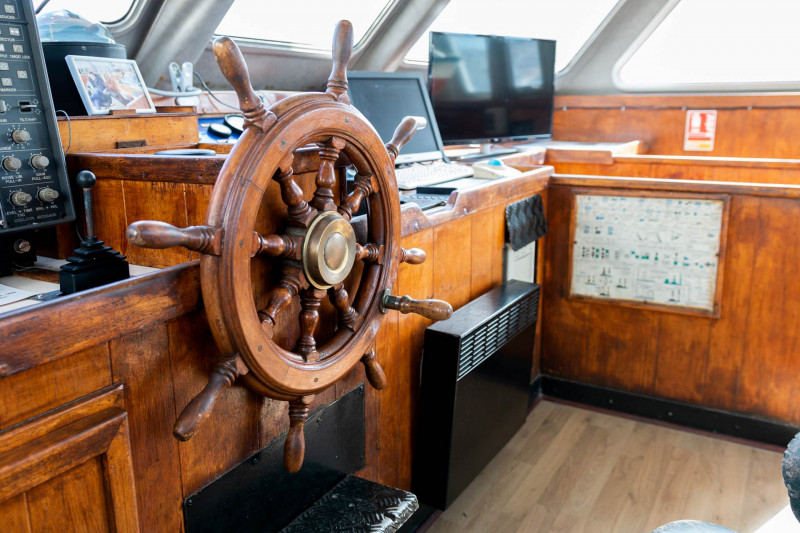
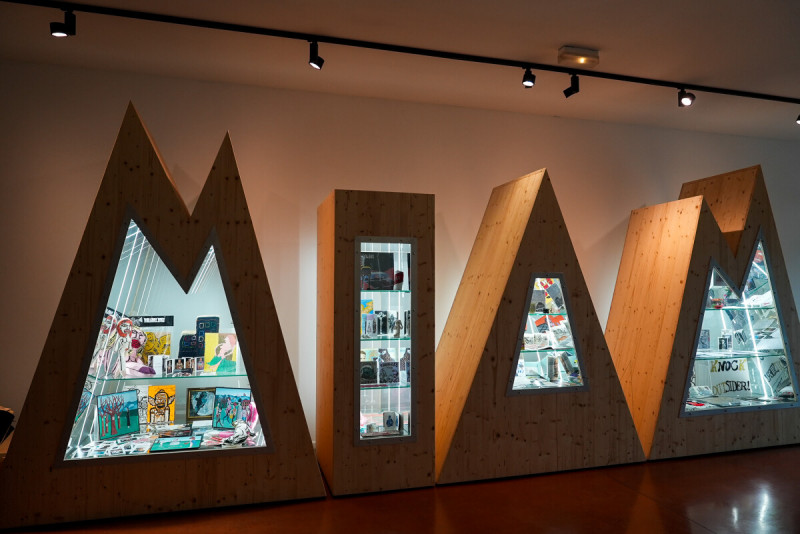
Winter is just around the corner and we have only one wish: to escape the cold! So we dream of being in the sun, enjoying the gentle way of life typical of the south of France. What if you could make this dream come true? Head for the Thau Archipelago to spend a few days in cocooning mode in a cosy apartment hotel, for a gastronomic dinner followed by a concert, in an unusual museum or even in pools of thermal water at 34°C and under the expert hands of masseuses. We'll tell you a little more about the weekend we've planned for you right now!
The Marcel suites
It is in the heart of the city of Sète, along the Léopold Suquet quay, that you will find the first stage of your stay in the Archipel de Thau: your accommodation! Located above the mythical restaurant The Rio, ...
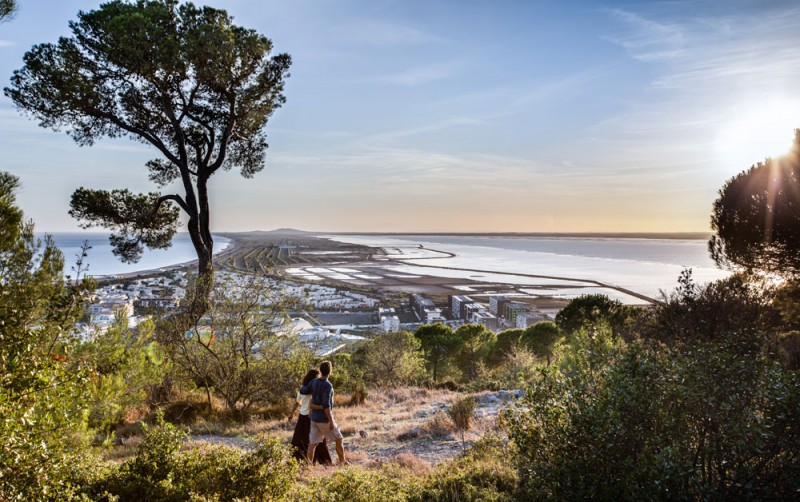
Explore Sète’s green lung on the western slope of Mont Saint-Clair with 27 hectares of pine forest and Mediterranean scrubland.
Stroll along the paths and enjoy a unique view of Thau lagoon, the Lido and the Mediterranean in the background. On a clear day you can also see the Pyrénées mountains and Mont Canigou. Spectacular!
New: Check out the mobile app for the Pierres Blanches forest trails.
The app is easy to use.
It’s easy and free to download and only takes a few seconds. The tour is narrated by two characters. Martin, a fine connoisseur of Sète, presents the historical aspects of the forest and its association with man. Aurélie, from the French National Forests Office (ONF), presents the botanical and natural aspects of the forest. They are your guides for t...
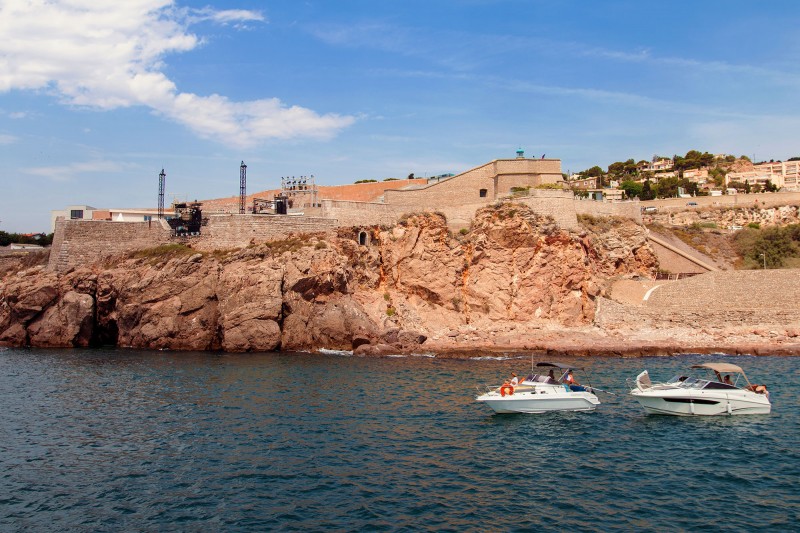
The theatre of the sea is an amphitheatre that is one with the rock and offers a face-to-face with the open sea,
bathed by the light of the moon and its reflections on the water. Irresistible.
At the foot of Mount Saint Clair, the Théâtre de la Mer dominates the Mediterranean. Every summer, this ancient 18th century fortification welcomes the great artistic events of the city of Sète. The acoustics are exceptional. It is the ideal setting for hosting the festivals organised during the summer season.
Originally Fort Saint-Pierre, the Theatre of the Sea was originally part, with the semaphore, of a defensive complex designed to protect the population and the port of Sète from land and sea attacks. Built on seven platforms arranged in an amphitheatre facing the sea, and equi...
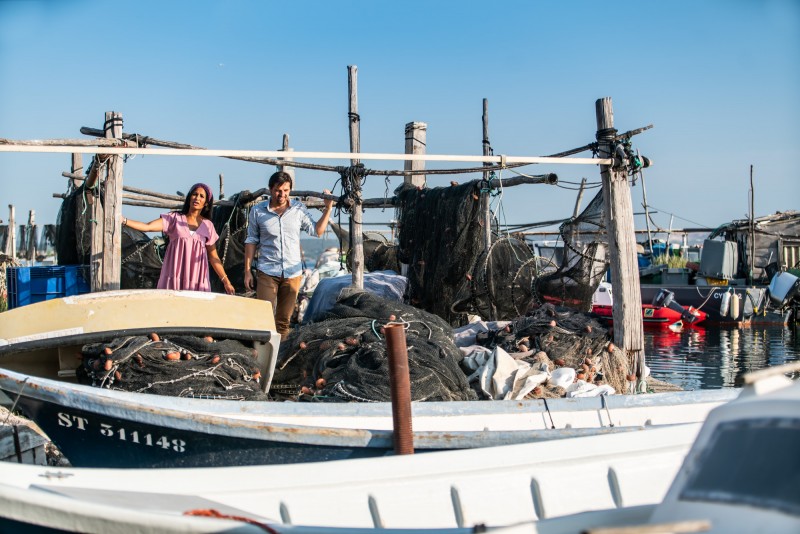
Explore La Pointe Courte district with huts, fishing nets, boats, lobster pots and stray cats...
A village inside the city and a world away.
It’s an unusual area with colourful facades, alleys and fishing nets drying on the docks.
The residents of La Pointe Courte have their own identity. Read the street names and you’ll understand: traverses des jouteurs (jouster poles), des rameurs (rowers), des pêcheurs (fishermen), Rue la Pétanque just to name a few. Explore and see!
Sea bream is caught in October. Hundreds of fishermen on both sides of the canal eagerly await the inevitable passage of the fish from the lagoon to the sea. The quiet district turns into a frenzy each year.
On the other side of the Royal canal, opposite La Pointe Courte, stands the marine biology...
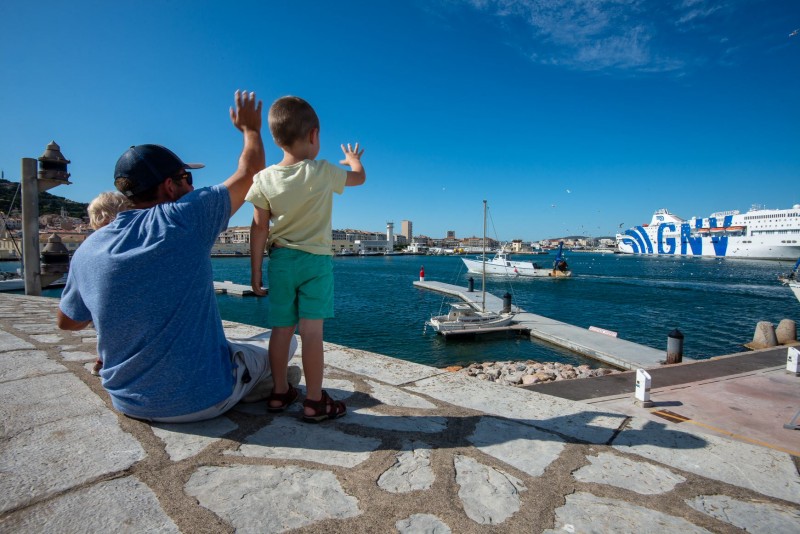
Spring and fine weather make us want to have a picnic. Sète is full of places for a lunch on the grass (or the sand) in an enchanting setting! Follow our advice.
View of the sea
- The Saint Louis lighthouse, at the end of the breakwater, so as not to lose a crumb on the entrance to the port of Sète. Incredible view.
- The Saint Pierre site, at the foot of the theatre of the sea. A vast balcony suspended above the sea.
- You can overlook the sea from the Marchéchal Leclerc promenade, the starting point of the 12-kilometre-long greenway.
- The golden sandy beaches of Sète, for a break by the water, with your feet in the sand. Quite simply.In the city
In the gardens of the Simone Veil Park, in the shade of the hundred-year-old trees. The lovers of public benches i...