

Summer - Page 3
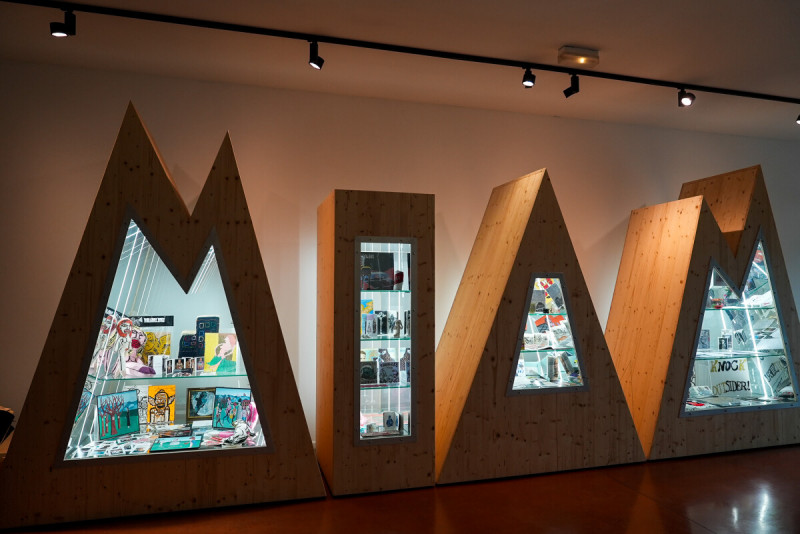
Winter is just around the corner and we have only one wish: to escape the cold! So we dream of being in the sun, enjoying the gentle way of life typical of the south of France. What if you could make this dream come true? Head for the Thau Archipelago to spend a few days in cocooning mode in a cosy apartment hotel, for a gastronomic dinner followed by a concert, in an unusual museum or even in pools of thermal water at 34°C and under the expert hands of masseuses. We'll tell you a little more about the weekend we've planned for you right now!
The Marcel suites
It is in the heart of the city of Sète, along the Léopold Suquet quay, that you will find the first stage of your stay in the Archipel de Thau: your accommodation! Located above the mythical restaurant The Rio, ...
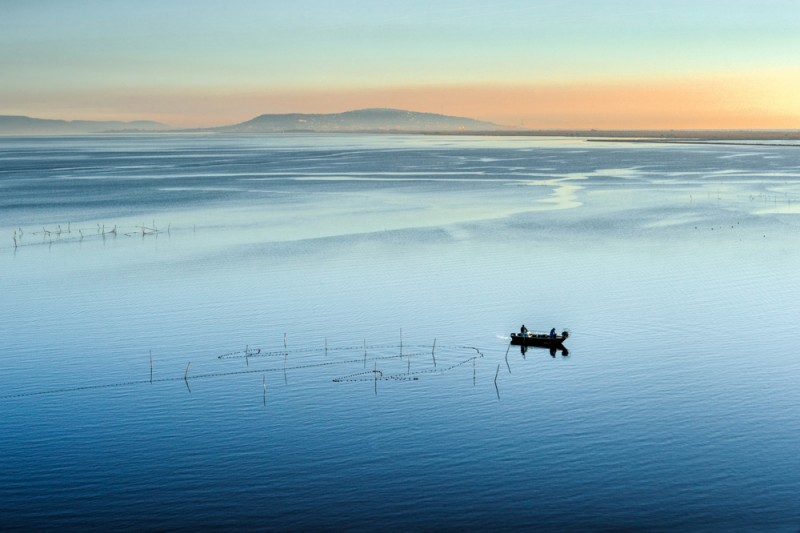
Thau lagoon is a stunning example of biodiversity.
An ecological gem, the lagoon is 20 km long and 5 km wide. It is separated from the Mediterranean by a long stretch of sand, known as the Lido. The salty water has made it the ideal breeding place for oysters and shellfish since antiquity.
The only one of its kind in France and listed a Natura 2000 site, the lagoon is a reservoir of biodiversity with nearly 400 plant species and 100 animal species including clams, sea snails, sea urchins, sea bream, mullets, seabass and the famous seahorse that attracts divers from around the world.
Shellfish farms occupy over 1,300 hectares of the water in Thau lagoon.
Shellfish are Thau lagoon’s main resource. Oysters and mussels are grown by 800 farms on 2,800 shellfish rafts.
Take ...
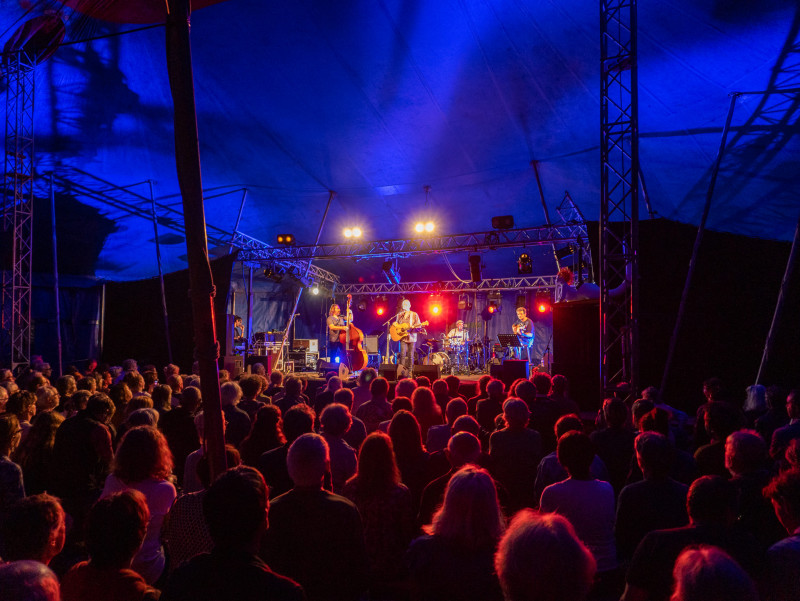
If you would like to immerse yourself in the traditions and culture of the Thau Archipelago, we look forward to seeing you in 2024 to experience or relive the highlights of our Destination, whatever your desires: gastronomy, history, jousting...
The Oursinade (mid-March)
Every year in Sète, the Oursinade, a large open-air guinguette, attracts visitors who come to taste the best that the Thau Basin has to offer: sea urchins, but also oysters, mussels, tielles and other gastronomic and wine-making delights of the region.
Time in the lagoon (mid-May to mid-June)
This is a new event during which artists, scientists, shellfish farmers, fishermen, wine growers and inhabitants share their views on the Thau lagoon. Meetings, debates, shows and workshops will give pride of place to ...
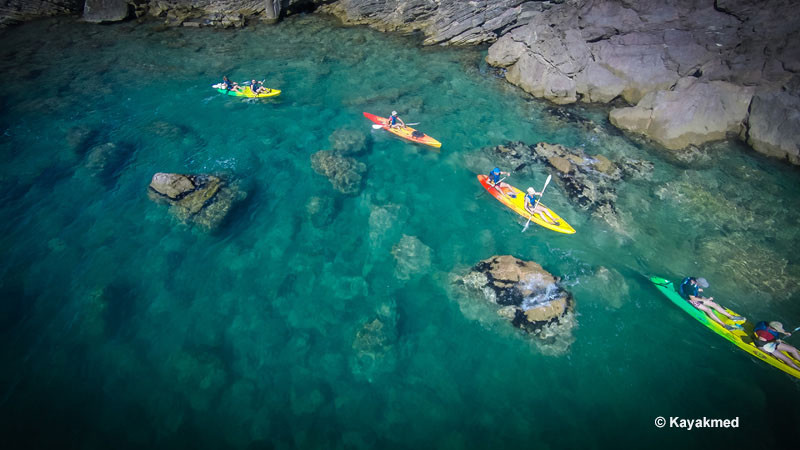
Kayak through our territory!
Discover the fauna and flora, come and taste the oysters from the Thau lagoon or simply rent a kayak and go on an adventure in complete autonomy. From Marseillan to Frontignan via Sète, Mèze and Balaruc-Les-Bains, sail towards an exceptional nautical adventure.
Go on an expedition, between sea and pond!
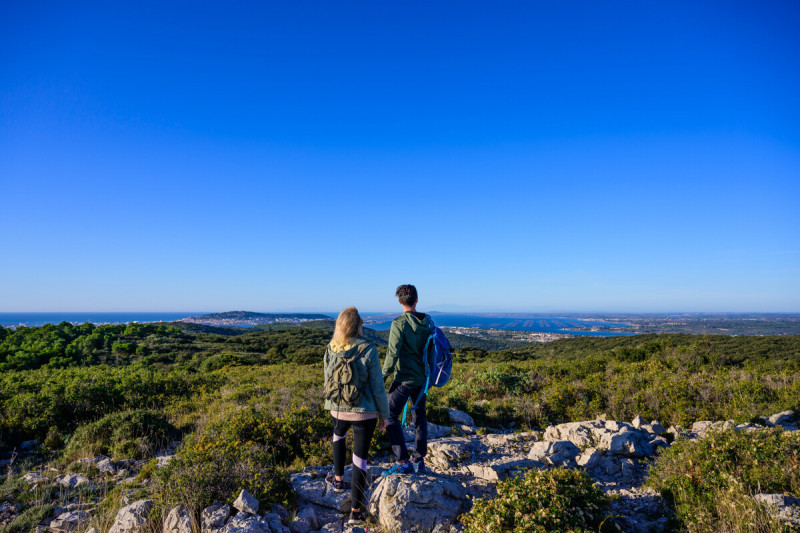
Walks in the salt marshes or in the heart of the garrigue, observation of insects and birds, visits to vineyards... These are all experiences that the Tourist Office offers you during a "Nature outing".
Discovery of emblematic places
Whether you are a connoisseur of the wilderness that makes up the Thau Archipelago or an initiate, each "Nature outing" is a great opportunity for you to learn more about the history, fauna and flora that make up the archipelago.
We invite you to meet us near the Occitan villages of Balaruc-les-Bains, Frontignan and Loupian to (re)discover the terraces of the Gardiole, the old salt marshes, the Aresquiers wood, the abbey of Saint-Félix, the gulf of Aigues-Mortes...
So, open your eyes wide so as not to miss anything of the landscapes of the ...
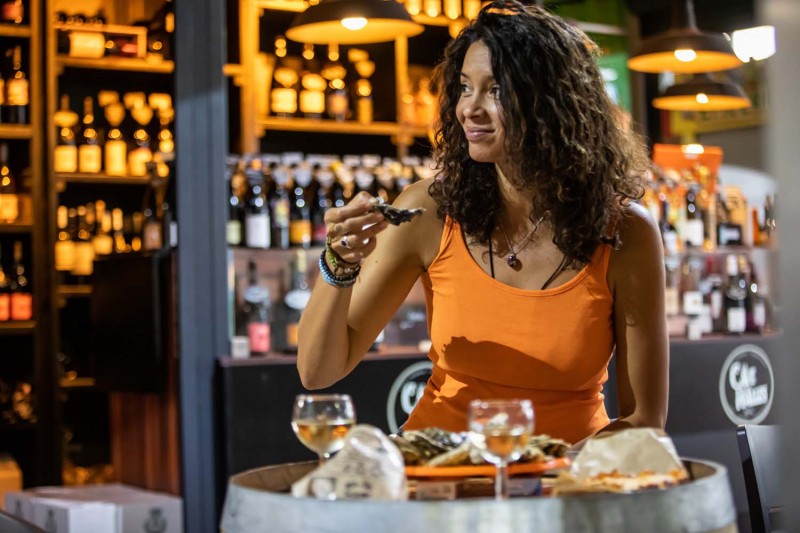
A stroll to the Sète covered market, one of the little pleasures that I offer myself in all simplicity during my stay in the Thau archipelago.
All the flavours of the South
The covered market of Sète is a paradise for epicureans. The stalls are full of local produce and mouth-watering specialities: sun-drenched fruit and vegetables, wines and cheeses of character, shellfish, fish and crustaceans, not forgetting the famous tielles, or the zézettes of Sète. When you're curious and greedy like me, you don't know what to think!
After enjoying a cup of coffee and a few sweets, I begin my journey of the senses. I taste a delicious tapenade that will be ideal for an aperitif with friends, take advantage of the advice of a fishmonger to learn which wine will go best with the s...
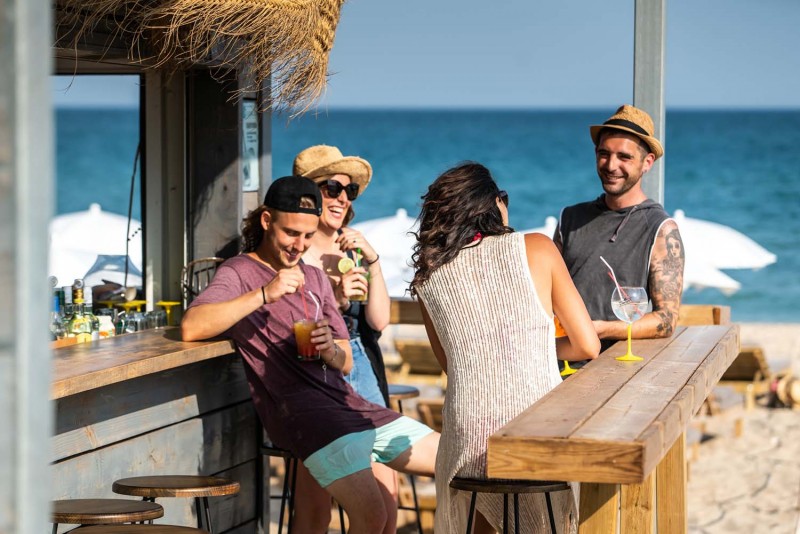
In the Thau Archipelago, there are two ways to eat with your feet in the water:
one, facing the lagoon, around a shellfish tasting,
the other, facing the sea, in a straw hut.
I've been told about both of these local experiences,
and I wonder which I'll prefer...
Act 1: Shellfish tasting in front of the lagoon
Here I am! Here I am at last between Bouzigues and Loupian, the view is breathtaking: the glittering blue of the water and the oyster beds as far as the eye can see... I can even see Sète and its famous Mont Saint-Clair in the distance.
Producers offering to taste mussels and oysters from the lagoon, that's not what is missing here! I choose a producer with a singing accent, whose place of production has been tastefully fitted out for tasting. I am warmly welcom...
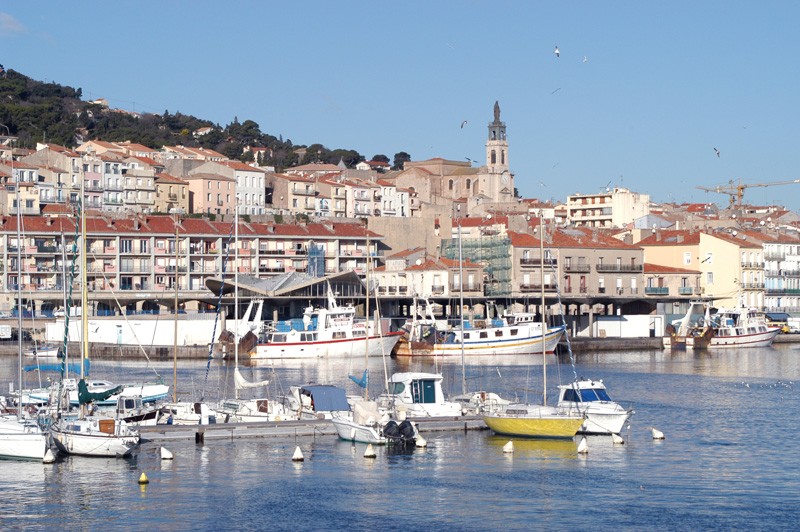
Water is everywhere in Sète.
It is the biggest fishing port in the Mediterranean, thanks to the fish auction, the flotilla of tuna boats and trawlers and small net-casting activity in the sea and lagoon.
The fishing port in the Royal canal, sheltered from the old port, is a special attraction that has always seduced sea lovers visiting Sète. The fabulous spectacle of trawlers returning to port every afternoon can be admired from the breakwater or the promenade overlooking the old dock.
In the heart of the old port, the Sète fish auction provides produce throughout France including Paris, Lyon, Toulouse, Marseille, as well as Italy and Spain. The 17 trawlers and small fishermen catch ten tonnes of fish every day. The fish auction sells 90 species including monkfish, red m...
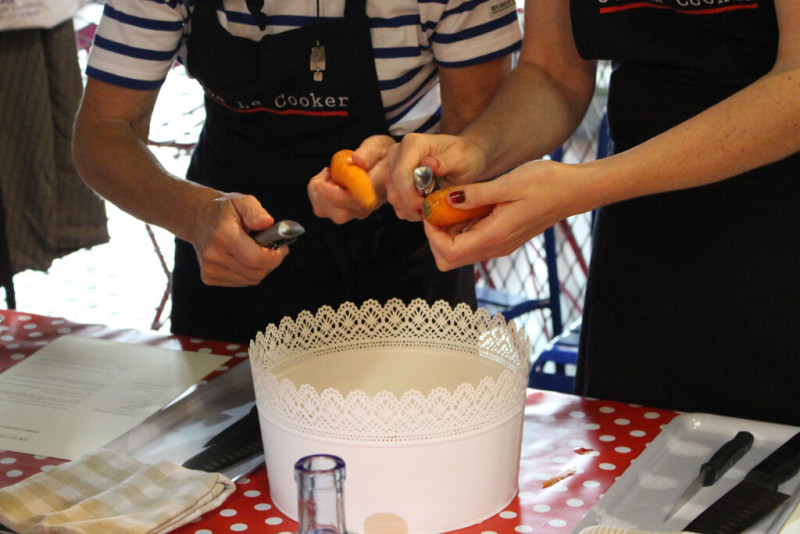
Rich in history, the little Venice of Languedoc can also boast a generous culinary heritage. And what could be better than to experience this during a cooking workshop during your holidays? If you are tempted by the experience, go to the heart of the Halles de Sète to meet Joe the Cooker and his chef, Magali Mag.
For adults
With friends or family, beginners or experts, the chef Magali invites you to discover the secrets of Sète's recipes during one of the three thematic workshops she offers: Discovery, Authentic, Ronda Viticole.
You will have the choice between: making a dish and a dessert; cooking a starter, a dish and a dessert; unless you prefer to accompany your dishes with a wine tasting. And if the dilemma is too great, it is even possible to do a course (180...