

Winter - Page 2
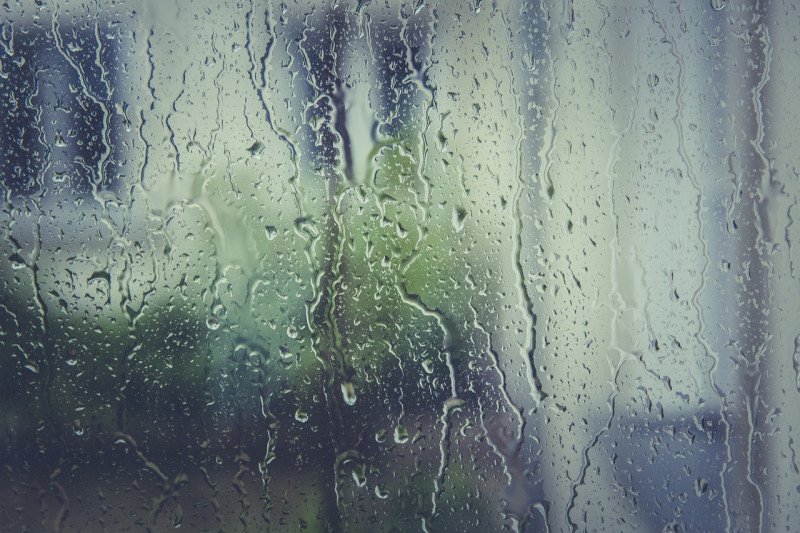
Oh no, it's raining! Don't panic, whether you are with adults or with your family, we suggest 10 activities to do on the rare days when it rains in the Thau Archipelago.
1 - Let's go to the movies?
Comfortably installed in your seat, with a packet of popcorn in your hand, enjoy the latest films in one of the two cinemas in Sète, the Comoedia and the Palace, at the Taurus in Mèze or the CinéMistral in Frontignan. Block-busters, art house films, screenings for young audiences, you're bound to find something to suit you! In autumn and spring, screenings are also organised every Sunday afternoon at the Piano-Tiroir cultural centre in Balaruc-les-Bains.
2 - Take advantage of the opportunity to learn something new!
In Sète, culture is king and can also ...
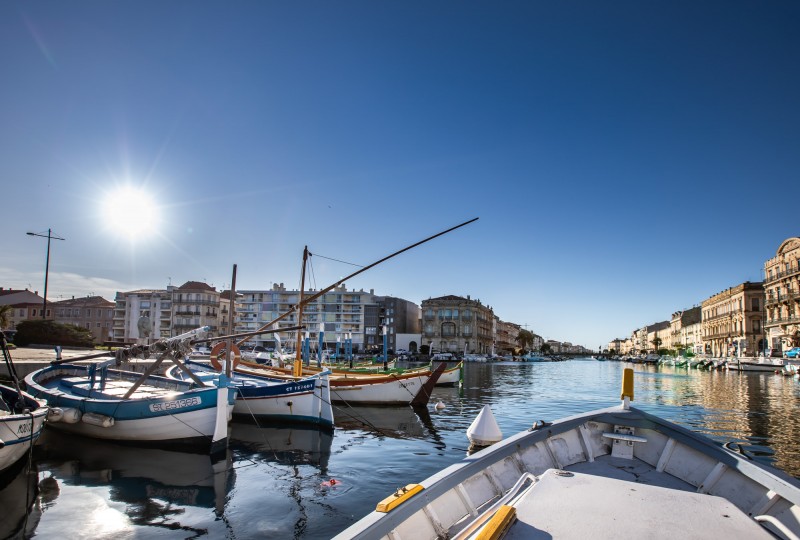
Do you dream of escaping for a weekend?
Sète is the destination you need.
It plays the "artistic" card and knows how to preserve its popular soul. Leave for a weekend with a little extra soul.
Beware, Sète will catch you in its nets!
All the flavors are in the halls of Sète
A treat for the eyes and the taste buds! Every morning, local products are in the spotlight: tuna, red mullet, sea bass, monkfish and of course seafood and shellfish from the Thau lagoon.
To find out more
Expert advice:
In Sète, you can enjoy many local specialties: macaroni, stuffed mussels and squid, cuttlefish rouille, and the famous tielle sétoise... Don't miss this little pie filled with octopus, a true institution of Sète gastronomy.Artistic stroll
Visit the Open Sky Museum, thanks to i...
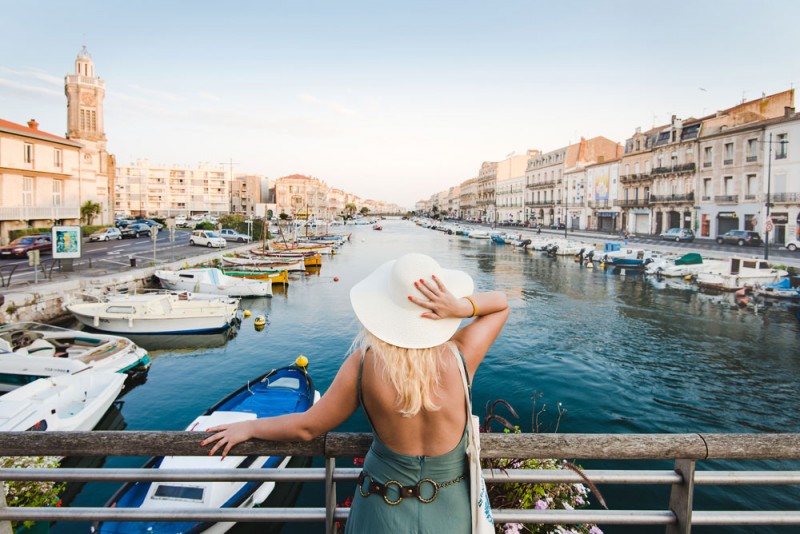
Lifestyle in Sète is imbued with tasteful elegance.
Join us for a unique and perennially fashionable getaway. Be chic and dare to indulge yourself.
A showcase of poetry and beauty, Sète is an elegant backdrop for its fascinating history. The canals winding through the heart of the city tell the incredible tale of the Canal du Midi and the glorious history of the wine trade.
Hop aboard a Venetian taxi on the Royal canal and discover why Sète is known as the "the little Venice of Languedoc". The sweet scent of Italy floats through the air as you pass under the bridges.
Paul Valéry, Georges Brassens, Hervé Di Rosa, Agnes Varda… the city inspires artists. Sète has been a model and a subject for songs, paintings and films. Art abounds.
Visit workshops ope...
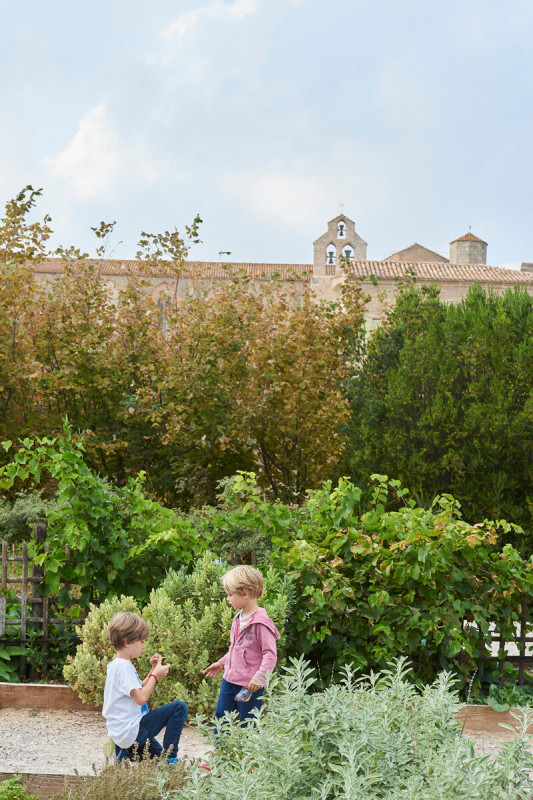
What better way to (re)discover the Thau Archipelago, its towns and monuments through a treasure hunt during your family holiday? This is the experience you can have in Sète, Villeveyrac, Frontignan-Plage or Balaruc-les-Bains. Don't wait any longer!
Barberoussette: the treasure hunt for young and old (Sète)
According to legend, the famous pirate Barberoussette was active in the maritime city at the end of the 16th century and hid his treasure there. Even today, many adventurers have tried to find it... Without success! Fortunately for you, the pirate left several pieces of the map that allow you to find his riches in Sète.
But before you can hope to find them all, you will have to solve several riddles related to the monuments and history of Sète. Go to the tour...
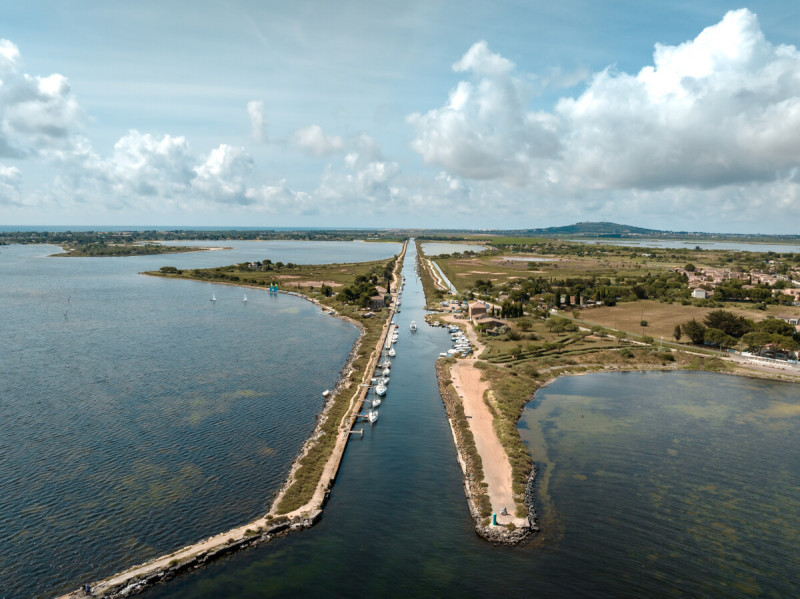
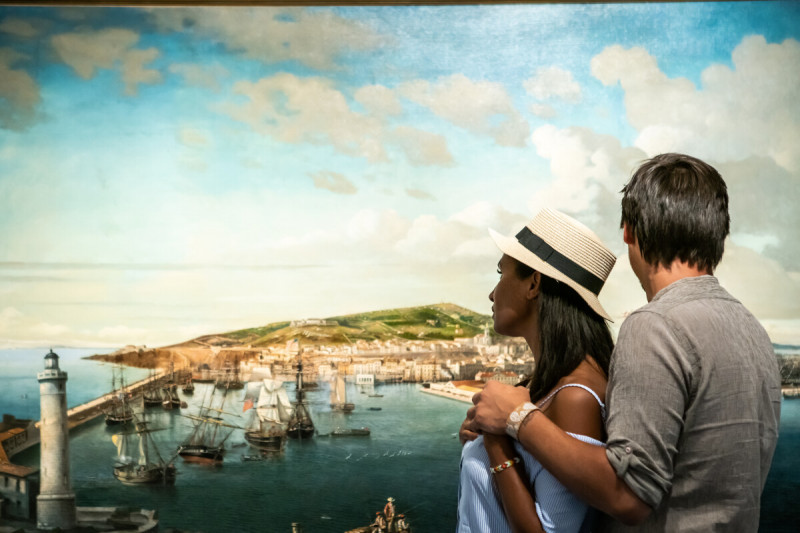
Take a leap into the history of Sète... Immerse yourself in the intimacy of the poet Georges Brassens and the writer Paul Valéry... Or take a journey through modest and contemporary art... These are just some of the experiences you can have in Sète. Let us tell you a little more about the five museums you'll be visiting.
The Georges Brassens space
In addition to its jousts and its Mont Saint-Clair, Sète also attracts attention thanks to the famous singer-songwriter Georges Brassens. And what better way to discover the works of this great singer than in the museum dedicated to him.
So whether you are a music lover or simply curious, go along Boulevard Camille Blanc, at number 67, to experience a multi-sensory journey. Equipped with headphones, set off on a journey th...
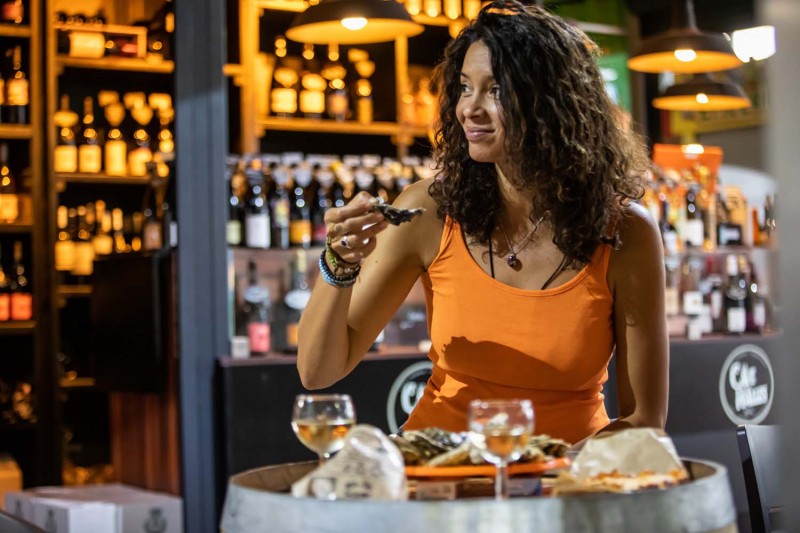
A stroll to the Sète covered market, one of the little pleasures that I offer myself in all simplicity during my stay in the Thau archipelago.
All the flavours of the South
The covered market of Sète is a paradise for epicureans. The stalls are full of local produce and mouth-watering specialities: sun-drenched fruit and vegetables, wines and cheeses of character, shellfish, fish and crustaceans, not forgetting the famous tielles, or the zézettes of Sète. When you're curious and greedy like me, you don't know what to think!
After enjoying a cup of coffee and a few sweets, I begin my journey of the senses. I taste a delicious tapenade that will be ideal for an aperitif with friends, take advantage of the advice of a fishmonger to learn which wine will go best with the s...
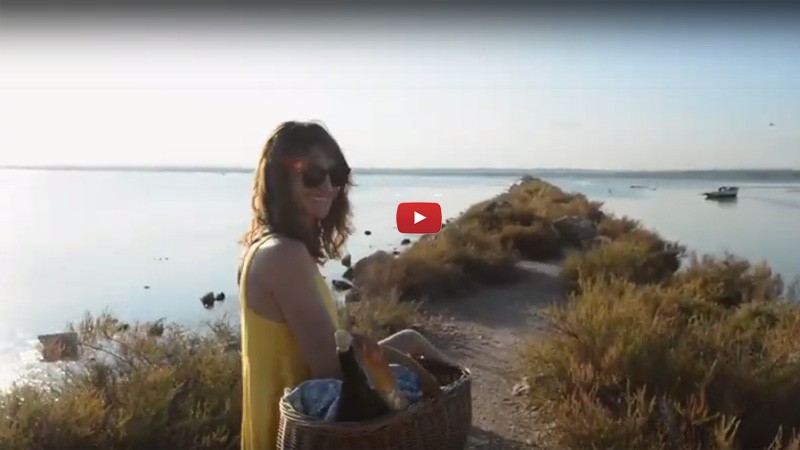
Do you dream of calm and nature? Escape?
So cheer up, flee the city, towards the Thau Archipelago!
In this sumptuous setting, time stretches indefinitely, the time is at hand.... Spending a day in Thau means relaxing in a green and blue garden, between the sea, lagoons and the scrubland. On foot, by bike or even in a bathing suit, it is time for idleness, simple pleasures, romantic picnics at sunset...
In a word as in a hundred, it is high time to let yourself live and take the time...
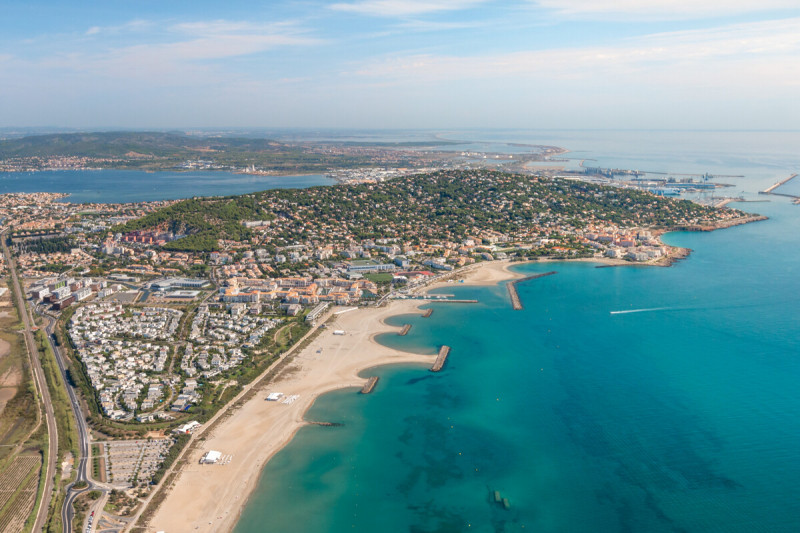
No matter which destination you have chosen for your holiday in the Thau archipelago, we invite you to take advantage of these few days to get away from it all and discover the 14 communes that make up our destination.
You can also find more information in our magazine.
Balaruc-le-Vieux
Set on a hillock, the village dominates the creek of the corner with a view on the lagoon. A medieval village wrapped in its ramparts, which magnifies the past. We love to get lost in its narrow streets.
Discover Balaruc-le-Vieux
Balaruc-les-Bains
The first spa in France, Louis Bonaparte already came here for a cure in the 19th century! People come here to enjoy the benefits of its thermal waters, but also to stroll through the flowery alleys of the Mediterranean Ant...
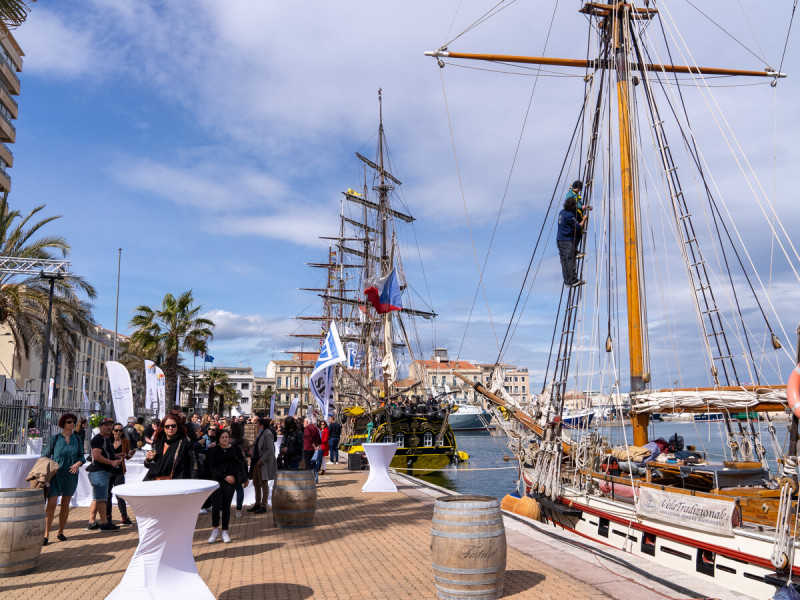
Share great moments and take advantage of the good weather to discover authentic and unmissable events in Sète.
OURSINADE (mid-March)
Every year in Sète, the Oursinade, a large open-air guinguette, attracts visitors who come to taste the best that the Thau Basin has to offer: sea urchins, but also oysters, mussels, tielles and other gastronomic and wine-making delights of the region.
IMAGES SINGULIÈRES (Ascension)
Images Singulières is the event that makes Sète exist in the very select world of photography. Devoted to its documentary bent, this festival celebrates, for 15 days, the diversity of views and gives us a glimpse of what words are not always enough to express. Vernissages, exhibitions, concerts, workshops, artists in residence...
K-LIV...
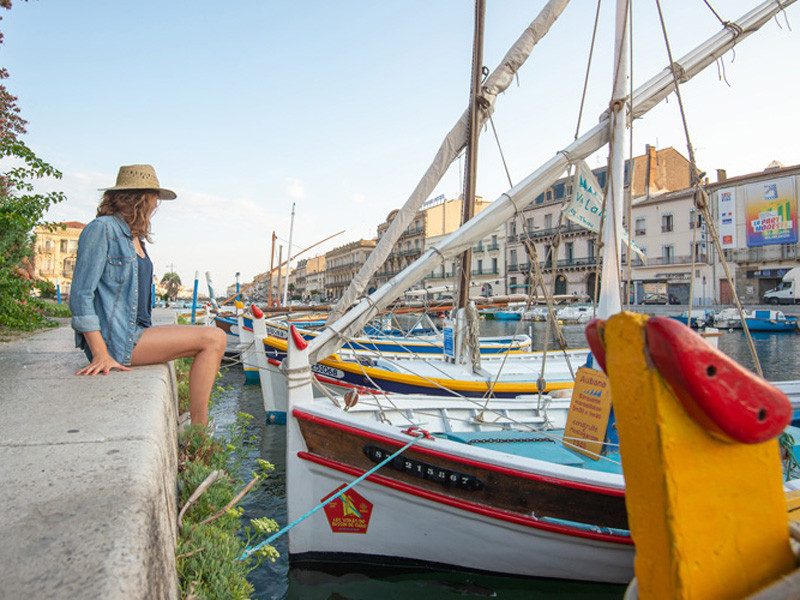
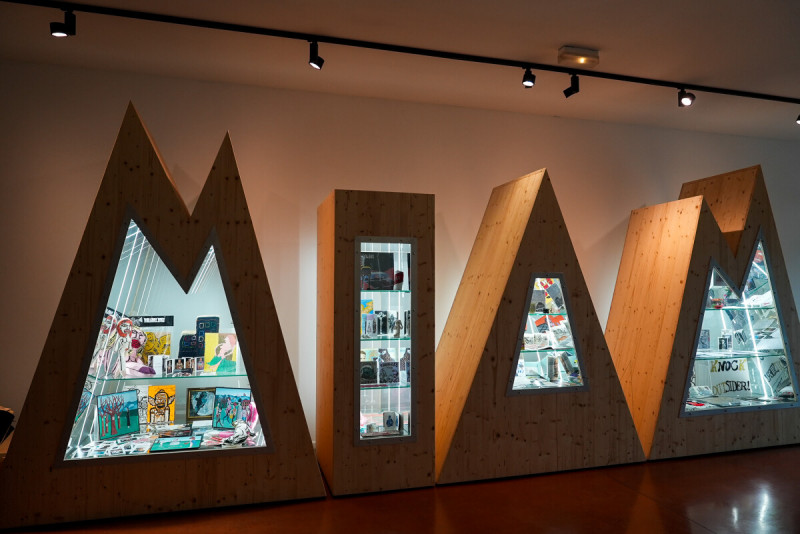
Winter is just around the corner and we have only one wish: to escape the cold! So we dream of being in the sun, enjoying the gentle way of life typical of the south of France. What if you could make this dream come true? Head for the Thau Archipelago to spend a few days in cocooning mode in a cosy apartment hotel, for a gastronomic dinner followed by a concert, in an unusual museum or even in pools of thermal water at 34°C and under the expert hands of masseuses. We'll tell you a little more about the weekend we've planned for you right now!
The Marcel suites
It is in the heart of the city of Sète, along the Léopold Suquet quay, that you will find the first stage of your stay in the Archipel de Thau: your accommodation! Located above the mythical restaurant The Rio, ...