

Winter - Page 2
Oh no, it's raining! Don't panic, whether you are with adults or with your family, we suggest 10 activities to do on the rare days when it rains in the Thau Archipelago.
1 - Let's go to the movies?
Comfortably installed in your seat, with a packet of popcorn in your hand, enjoy the latest films in one of the two cinemas in Sète, the Comoedia and the Palace, at the Taurus in Mèze or the CinéMistral in Frontignan. Block-busters, art house films, screenings for young audiences, you're bound to find something to suit you! In autumn and spring, screenings are also organised every Sunday afternoon at the Piano-Tiroir cultural centre in Balaruc-les-Bains.
2 - Take advantage of the opportunity to learn something new!
In Sète, culture is king and can also ...
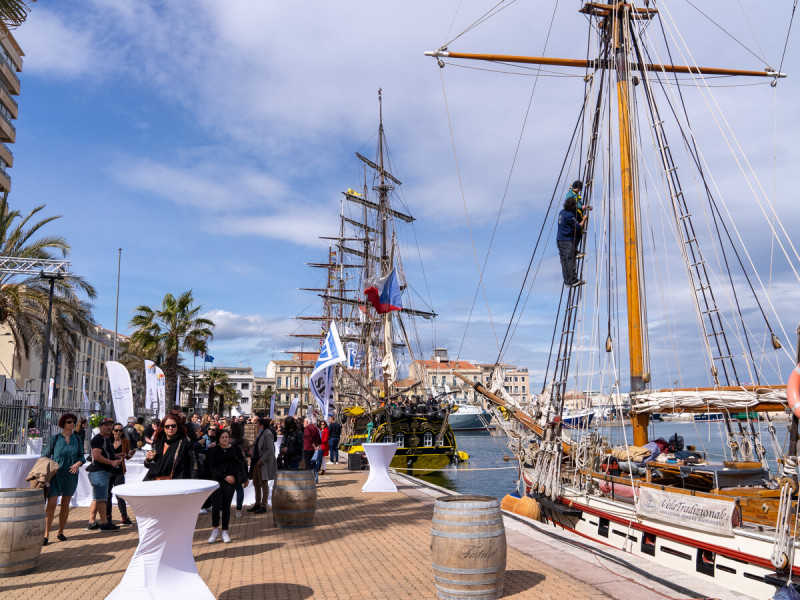
Share great moments and take advantage of the good weather to discover authentic and unmissable events in Sète.
OURSINADE (mid-March)
Every year in Sète, the Oursinade, a large open-air guinguette, attracts visitors who come to taste the best that the Thau Basin has to offer: sea urchins, but also oysters, mussels, tielles and other gastronomic and wine-making delights of the region.
IMAGES SINGULIÈRES (Ascension)
Images Singulières is the event that makes Sète exist in the very select world of photography. Devoted to its documentary bent, this festival celebrates, for 15 days, the diversity of views and gives us a glimpse of what words are not always enough to express. Vernissages, exhibitions, concerts, workshops, artists in residence...
K-LIV...
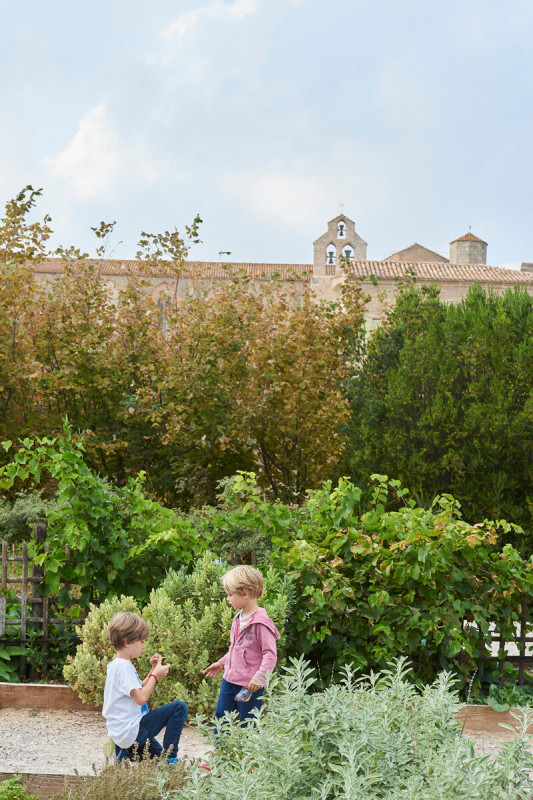
What better way to (re)discover the Thau Archipelago, its towns and monuments through a treasure hunt during your family holiday? This is the experience you can have in Sète, Villeveyrac, Frontignan-Plage or Balaruc-les-Bains. Don't wait any longer!
Barberoussette: the treasure hunt for young and old (Sète)
According to legend, the famous pirate Barberoussette was active in the maritime city at the end of the 16th century and hid his treasure there. Even today, many adventurers have tried to find it... Without success! Fortunately for you, the pirate left several pieces of the map that allow you to find his riches in Sète.
But before you can hope to find them all, you will have to solve several riddles related to the monuments and history of Sète. Go to the tour...
Spring and fine weather make us want to have a picnic. Sète is full of places for a lunch on the grass (or the sand) in an enchanting setting! Follow our advice.
View of the sea
- The Saint Louis lighthouse, at the end of the breakwater, so as not to lose a crumb on the entrance to the port of Sète. Incredible view.
- The Saint Pierre site, at the foot of the theatre of the sea. A vast balcony suspended above the sea.
- You can overlook the sea from the Marchéchal Leclerc promenade, the starting point of the 12-kilometre-long greenway.
- The golden sandy beaches of Sète, for a break by the water, with your feet in the sand. Quite simply.In the city
In the gardens of the Simone Veil Park, in the shade of the hundred-year-old trees. The lovers of public benches i...
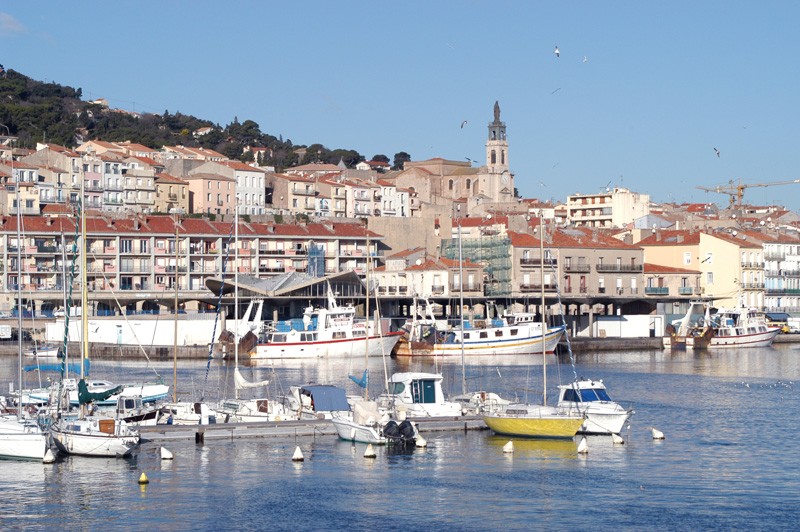
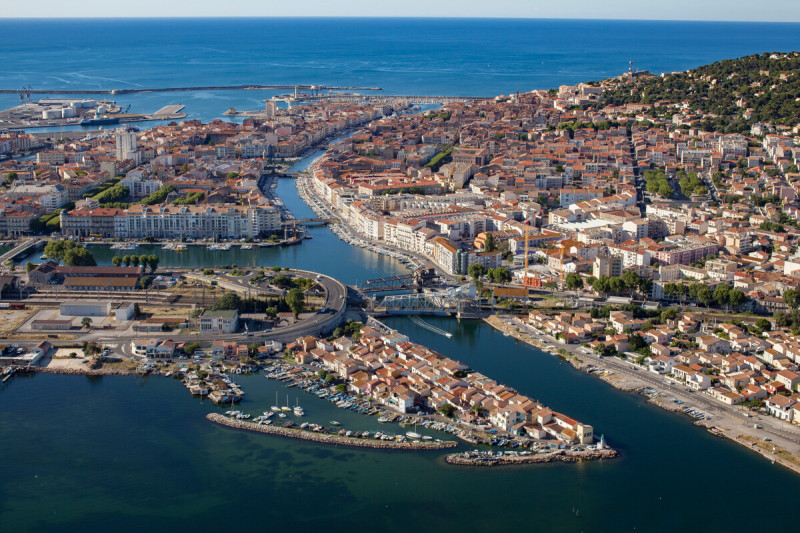
Water is everywhere in Sète.
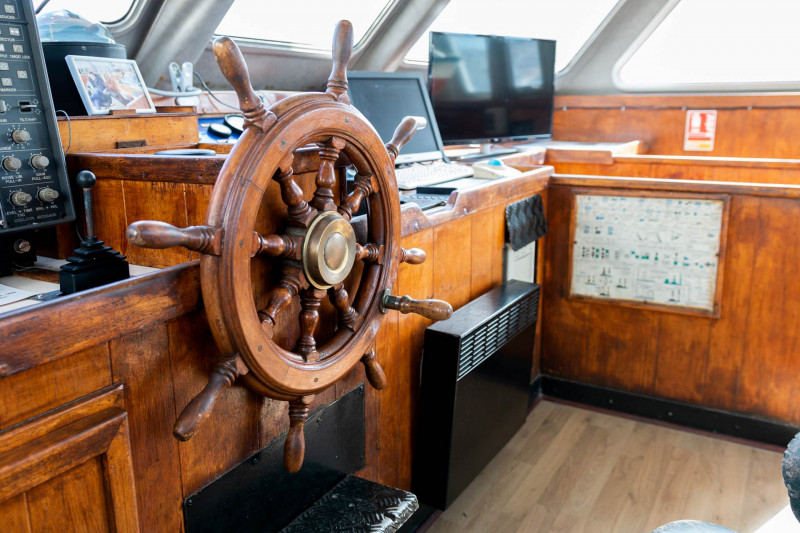
It is the biggest fishing port in the Mediterranean, thanks to the fish auction, the flotilla of tuna boats and trawlers and small net-casting activity in the sea and lagoon.
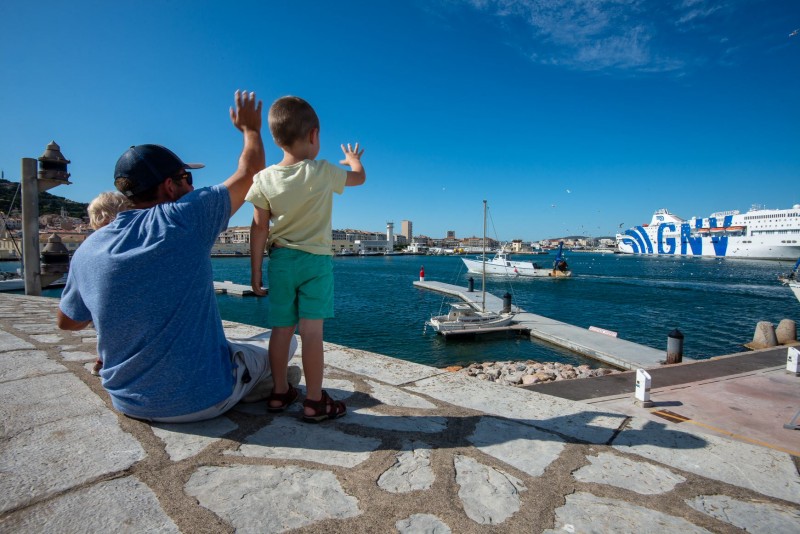
The fishing port in the Royal canal, sheltered from the old port, is a special attraction that has always seduced sea lovers visiting Sète. The fabulous spectacle of trawlers returning to port every afternoon can be admired from the breakwater or the promenade overlooking the old dock.
In the heart of the old port, the Sète fish auction provides produce throughout France including Paris, Lyon, Toulouse, Marseille, as well as Italy and Spain. The 17 trawlers and small fishermen catch ten tonnes of fish every day. The fish auction sells 90 species including monkfish, red m...
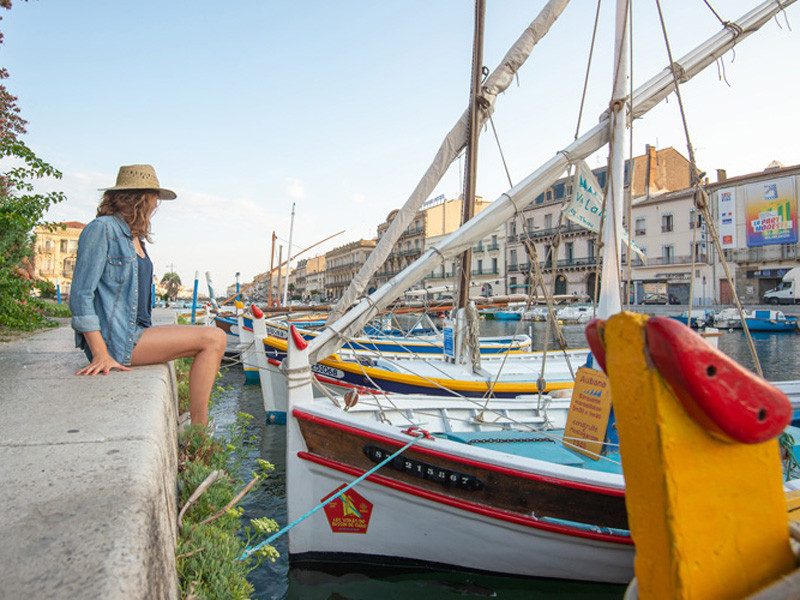
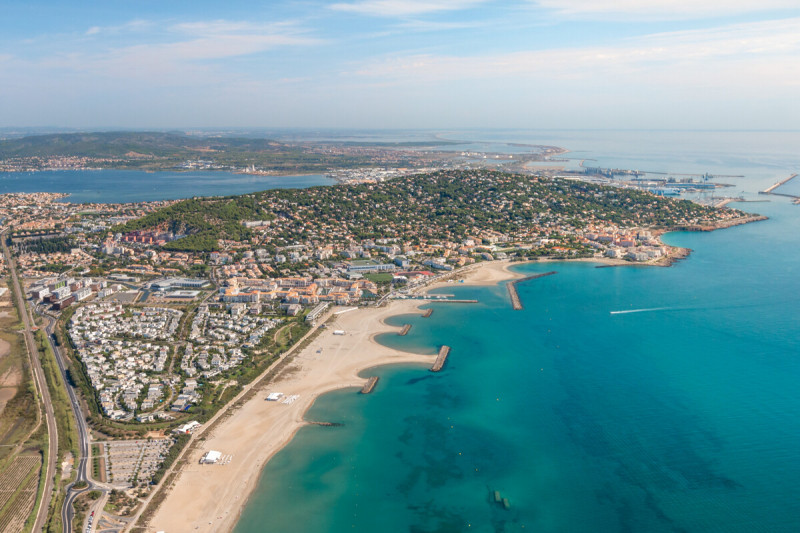
No matter which destination you have chosen for your holiday in the Thau archipelago, we invite you to take advantage of these few days to get away from it all and discover the 14 communes that make up our destination.
You can also find more information in our magazine.
Balaruc-le-Vieux
Set on a hillock, the village dominates the creek of the corner with a view on the lagoon. A medieval village wrapped in its ramparts, which magnifies the past. We love to get lost in its narrow streets.
Discover Balaruc-le-Vieux
Balaruc-les-Bains
The first spa in France, Louis Bonaparte already came here for a cure in the 19th century! People come here to enjoy the benefits of its thermal waters, but also to stroll through the flowery alleys of the Mediterranean Ant...
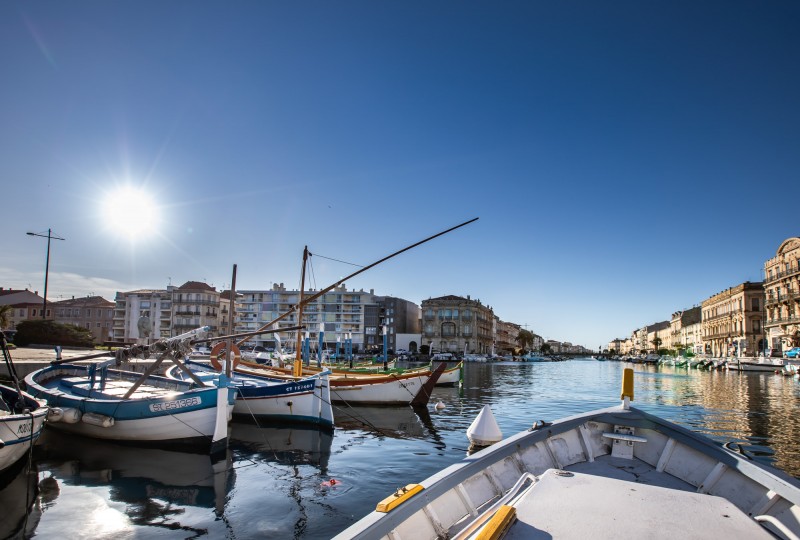
Do you dream of escaping for a weekend?
Sète is the destination you need.
It plays the "artistic" card and knows how to preserve its popular soul. Leave for a weekend with a little extra soul.
Beware, Sète will catch you in its nets!
All the flavors are in the halls of Sète
A treat for the eyes and the taste buds! Every morning, local products are in the spotlight: tuna, red mullet, sea bass, monkfish and of course seafood and shellfish from the Thau lagoon.
To find out more
Expert advice:
In Sète, you can enjoy many local specialties: macaroni, stuffed mussels and squid, cuttlefish rouille, and the famous tielle sétoise... Don't miss this little pie filled with octopus, a true institution of Sète gastronomy.Artistic stroll
Visit the Open Sky Museum, thanks to i...
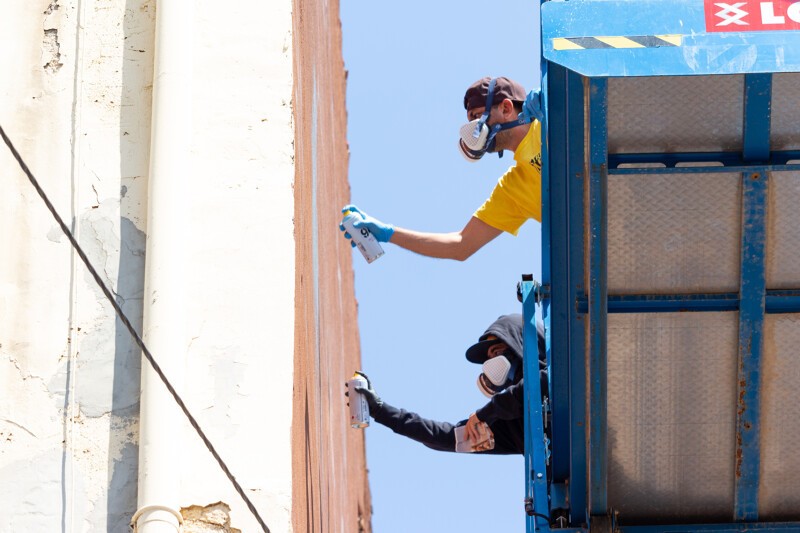
Did you know that urban art is expressed in all its forms in the streets of Sète?
Whether you are an art lover, curious or contemplative, the open-air museum is waiting for you.
No less than 40 urban frescos will catch your eye.
How does this living museum grow? Every year at the beginning of June, the K-Live festival showcases street art on the walls of the maritime city. The concept is simple: give the artists "carte blanche".
Scaffolding, round tables, guided tours, performances and concerts take place. An event with a relaxed atmosphere that puts the spotlight on leading artists. Sète has made a name for itself in the world of urban art.
Whatever the time of year when you are in Sète, enjoy the original experience of discovering or re-discovering the MaCO (Op...