

Winter - Page 2
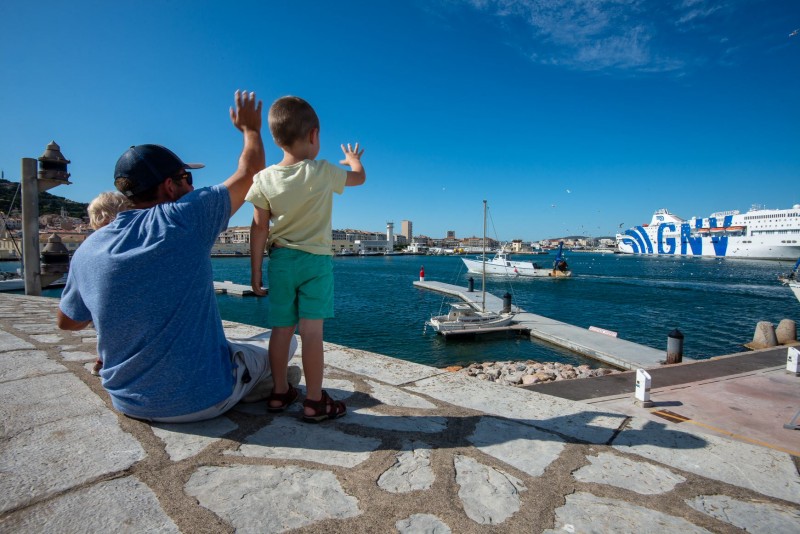
Spring and fine weather make us want to have a picnic. Sète is full of places for a lunch on the grass (or the sand) in an enchanting setting! Follow our advice.
View of the sea
- The Saint Louis lighthouse, at the end of the breakwater, so as not to lose a crumb on the entrance to the port of Sète. Incredible view.
- The Saint Pierre site, at the foot of the theatre of the sea. A vast balcony suspended above the sea.
- You can overlook the sea from the Marchéchal Leclerc promenade, the starting point of the 12-kilometre-long greenway.
- The golden sandy beaches of Sète, for a break by the water, with your feet in the sand. Quite simply.In the city
In the gardens of the Simone Veil Park, in the shade of the hundred-year-old trees. The lovers of public benches i...
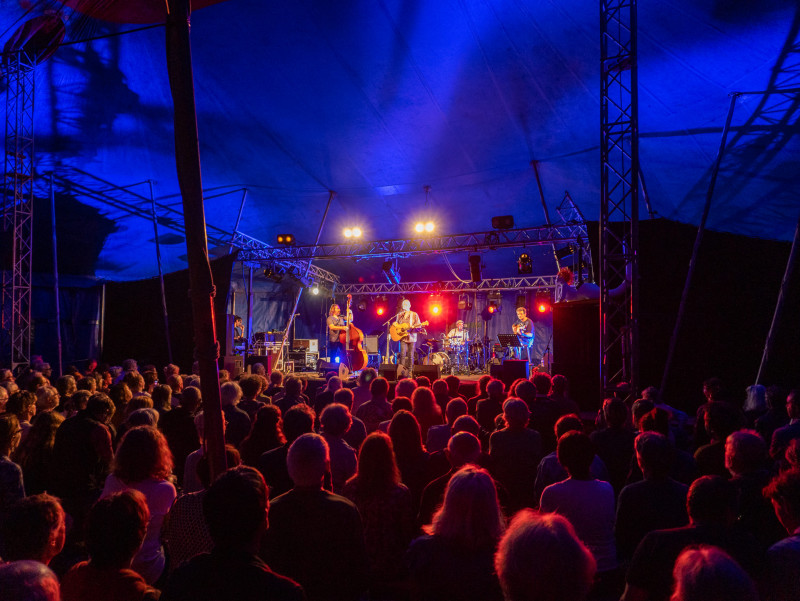
If you would like to immerse yourself in the traditions and culture of the Thau Archipelago, we look forward to seeing you in 2024 to experience or relive the highlights of our Destination, whatever your desires: gastronomy, history, jousting...
The Oursinade (mid-March)
Every year in Sète, the Oursinade, a large open-air guinguette, attracts visitors who come to taste the best that the Thau Basin has to offer: sea urchins, but also oysters, mussels, tielles and other gastronomic and wine-making delights of the region.
Time in the lagoon (mid-May to mid-June)
This is a new event during which artists, scientists, shellfish farmers, fishermen, wine growers and inhabitants share their views on the Thau lagoon. Meetings, debates, shows and workshops will give pride of place to ...
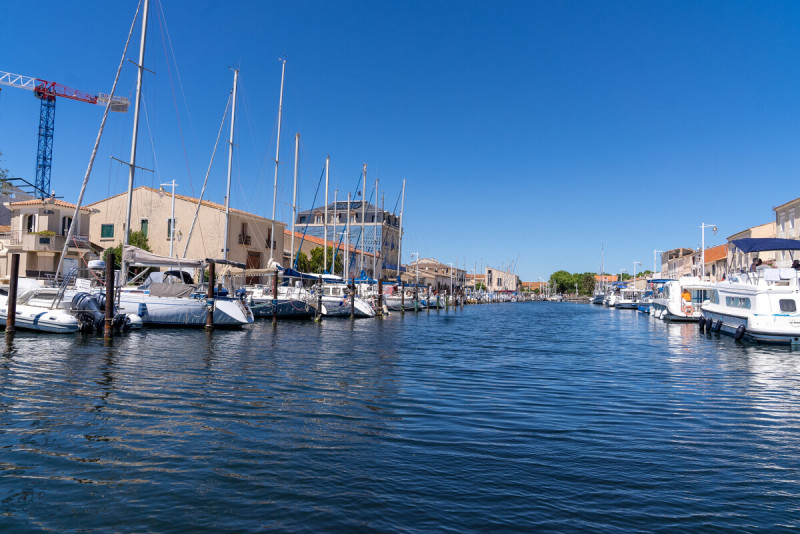
For a prestigious and luxurious stay, the Archipelago of Thau is the place to go for your next holiday. Here, you can expect a thousand and one top-of-the-range experiences in beautiful accommodation, restaurants....
The Miramar villa
Facing the Mediterranean, with its back to the Thau basin, this is the setting that awaits you at the Villa Miramar!
Located in Frontignan, this exceptional guest house, with its 5 "épis" rating from the Gîtes de France, offers four rooms and an unusual cabin, all of which open onto the sea, as well as numerous services and facilities that will make your prestigious stay unforgettable.
You can, for example, take advantage of the 17-metre long heated infinity pool to take a dip before enjoying your cocktail on the immersed terrace, o...
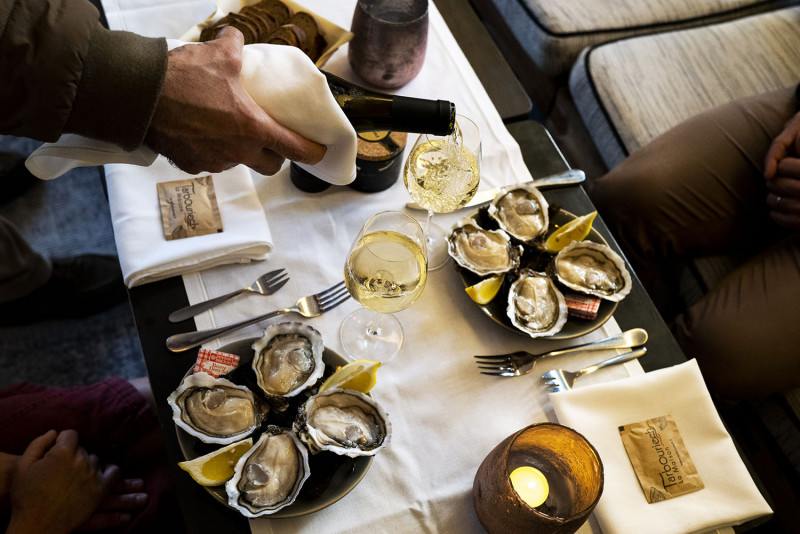
Festive meals are the ideal occasion to sublimate the riches of our land.
Advice, recipe ideas, here are our top 5 local products to have on your table at the end of the year!
1 - Oysters from the Thau basin
Their iodine perfume and their characteristic nutty taste make us melt all year round, but it is in the heart of winter that they are at their best. Produced in Bouzigues, Mèze and Marseillan, Thau oysters are an essential part of our festive meals, let's face it!
Raw, they go very well with a simple lemon juice, but can also be eaten with a shallot sauce or with a dash of balsamic vinegar, olive oil and a turn of the pepper mill. Gratinated, they go wonderfully well with parsley butter, but also with a white wine or leek-based sauce.
Don't hesitate to ask ...
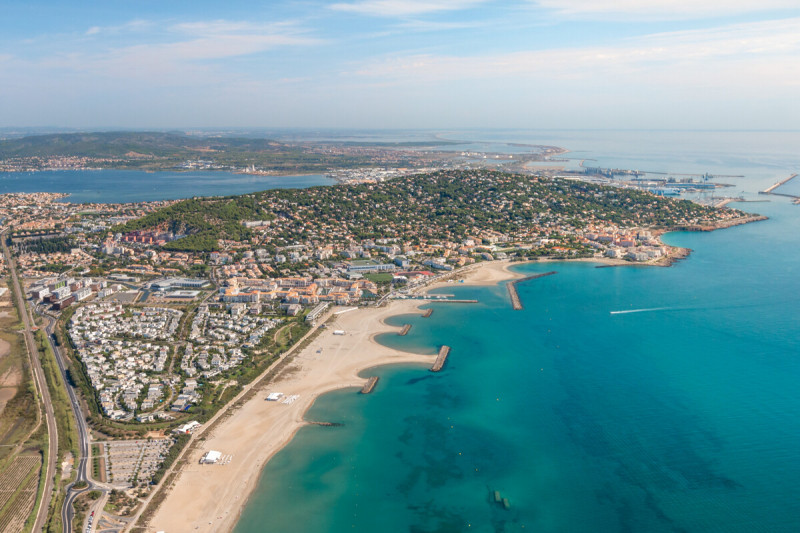
No matter which destination you have chosen for your holiday in the Thau archipelago, we invite you to take advantage of these few days to get away from it all and discover the 14 communes that make up our destination.
You can also find more information in our magazine.
Balaruc-le-Vieux
Set on a hillock, the village dominates the creek of the corner with a view on the lagoon. A medieval village wrapped in its ramparts, which magnifies the past. We love to get lost in its narrow streets.
Discover Balaruc-le-Vieux
Balaruc-les-Bains
The first spa in France, Louis Bonaparte already came here for a cure in the 19th century! People come here to enjoy the benefits of its thermal waters, but also to stroll through the flowery alleys of the Mediterranean Ant...
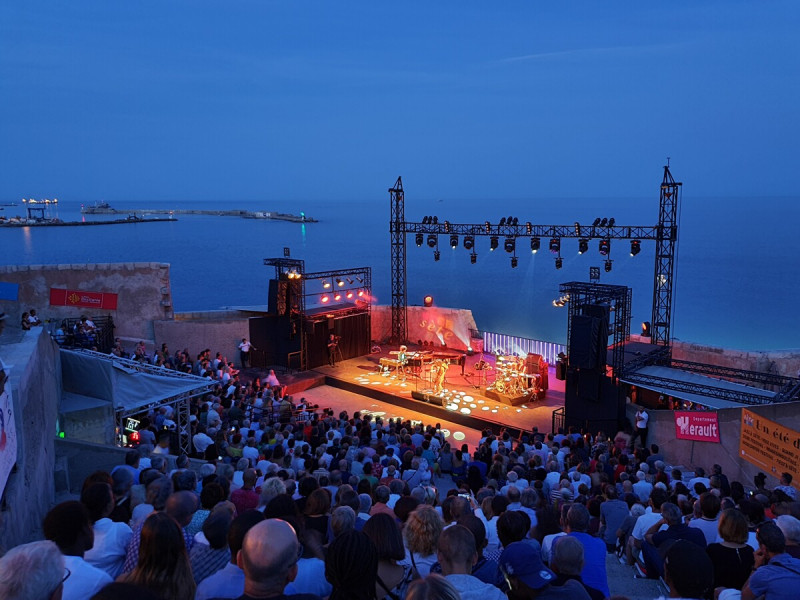
If you are looking for an idea to occupy your winter or summer evenings or to entertain your children, this article is for you! Indeed, the Thau Archipelago is full of theatres and concert halls where young and old alike can be entertained.
Theatre, concerts, dance, one-man shows, musical tales, puppets... There's something for everyone and in every season. So, curtain up!
The Molière Theatre, Scène Nationale (Sète)
Located along the Avenue Victor Hugo, the Molière Theatre is a well-known venue for the people of Sète. Here you can enjoy theatre, but not only! With nearly forty shows on offer throughout the year, you will be spoilt for choice: music, dance, opera... There are even shows for children.
For the record, we owe this Italian-style theatre to the archit...
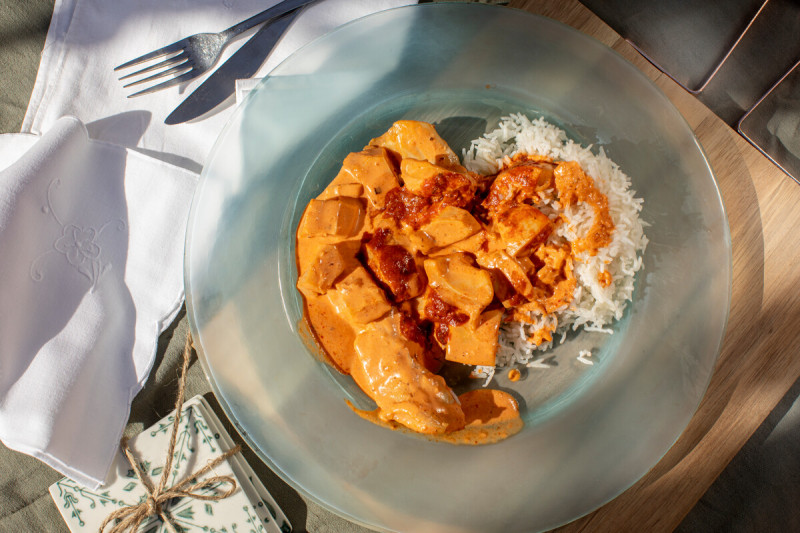
There's nothing like the warmth of a tasty dish to cheer you up when the temperatures drop! Our local specialities, mostly based on fish and seafood, are ideal for indulging yourself while eating locally.
Cuttlefish rust
This is a speciality with a reputation that is well established! Melting pieces of cuttlefish, dipped in a simmering tomato sauce and bound with a delicious aioli... To be enjoyed with potatoes, rice or tagliatelle. A dish whose finesse and flavours will make you fall over, to be discovered in all the good restaurants of the Thau Archipelago.
Stuffed squid
Squid? What's that? They are in fact small squids whose tube (i.e. the body without the tentacles) measures between 8 and 14 centimetres.
Delicately stuffed with a mixture of sausage...
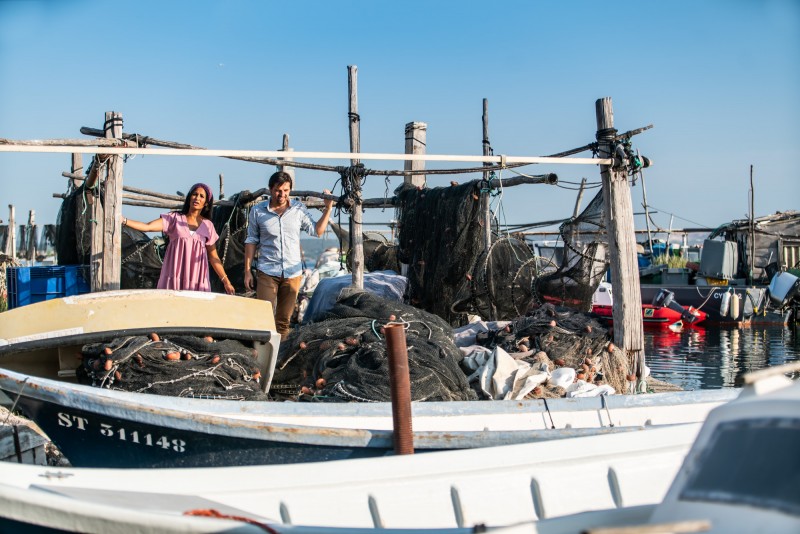
Explore La Pointe Courte district with huts, fishing nets, boats, lobster pots and stray cats...
A village inside the city and a world away.
It’s an unusual area with colourful facades, alleys and fishing nets drying on the docks.
The residents of La Pointe Courte have their own identity. Read the street names and you’ll understand: traverses des jouteurs (jouster poles), des rameurs (rowers), des pêcheurs (fishermen), Rue la Pétanque just to name a few. Explore and see!
Sea bream is caught in October. Hundreds of fishermen on both sides of the canal eagerly await the inevitable passage of the fish from the lagoon to the sea. The quiet district turns into a frenzy each year.
On the other side of the Royal canal, opposite La Pointe Courte, stands the marine biology...
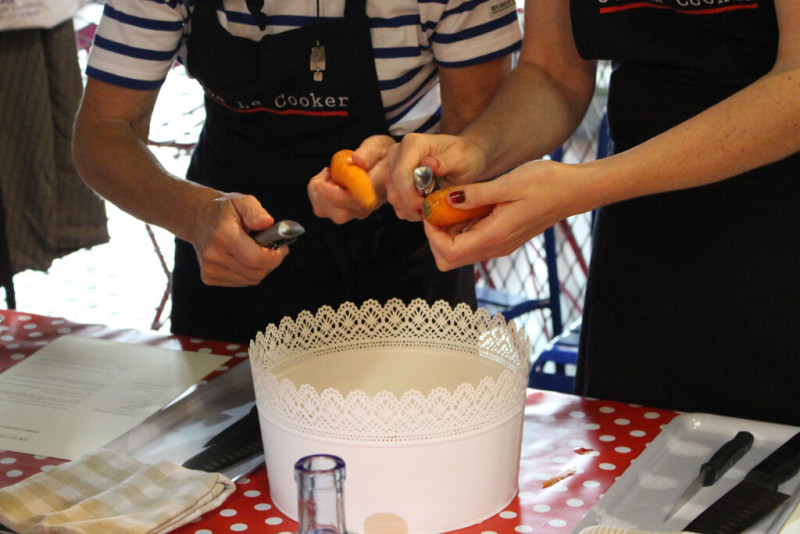
Rich in history, the little Venice of Languedoc can also boast a generous culinary heritage. And what could be better than to experience this during a cooking workshop during your holidays? If you are tempted by the experience, go to the heart of the Halles de Sète to meet Joe the Cooker and his chef, Magali Mag.
For adults
With friends or family, beginners or experts, the chef Magali invites you to discover the secrets of Sète's recipes during one of the three thematic workshops she offers: Discovery, Authentic, Ronda Viticole.
You will have the choice between: making a dish and a dessert; cooking a starter, a dish and a dessert; unless you prefer to accompany your dishes with a wine tasting. And if the dilemma is too great, it is even possible to do a course (180...
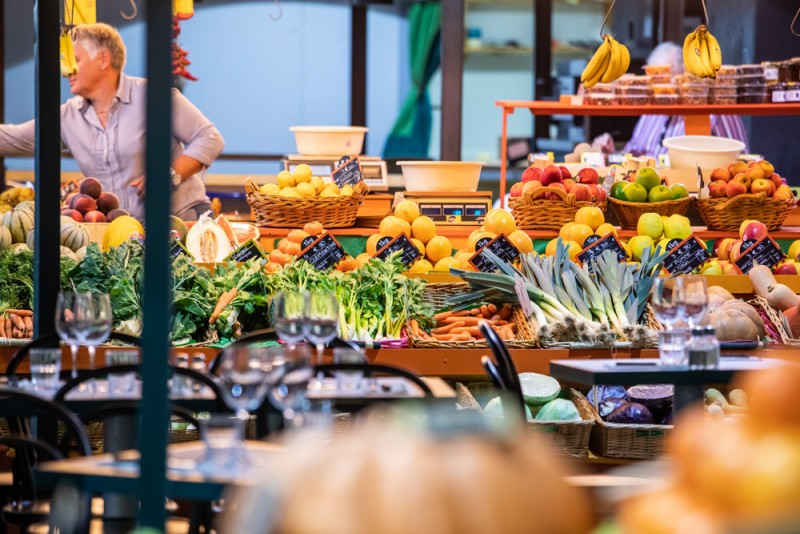
The halles de Sète reflect the identity of Sète. This is where you can breathe the atmosphere of the city, a concentration of local specialities, regional products and authenticity.
From its esplanade to its shopping alleys, the exceptional products carry high the flavours of the south. Naturally, fish and shellfish are at the top of the pavement!
The atmosphere is friendly and sunny. All generations meet up among the sun-drenched fish, shellfish, fruit and vegetables, you can only be seduced. You come here to do your shopping of course but also to taste some oysters from Bouzigues or a Sète tielle (small pie topped with spicy octopus) accompanied by a glass of white wine from the region.
An unforgettable experience.
Les Halles de Sète welcomes you every day of the y...
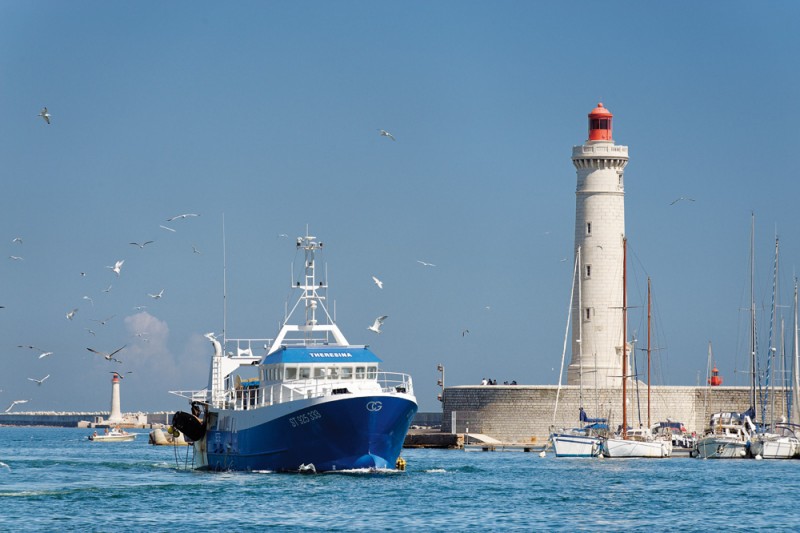
Take time to foray into Sète’s maritime heritage.
Enjoy the fresh air of the sea.
You feel its presence as soon as you set foot in Sète. Start at the Royal canal. Surprise! Tuna boats and trawlers are moored right in the heart of the city, facing restaurants and 19th-century buildings! The image sums up the city perfectly. And one of the trawlers even welcomes visitors: the Louis Nocca. Your children will love the aquarium, the captain's cabin and visiting the engine room.
Watch the action as you wander along Quai de la Consigne, with fishing boats going back and forth, colourful boats, the bustling fish auction and fishermen repairing their nets.
Stroll along St Louis breakwater: Bring your trainers and climb the 126 steps up Saint Louis lighthouse. The view ove...
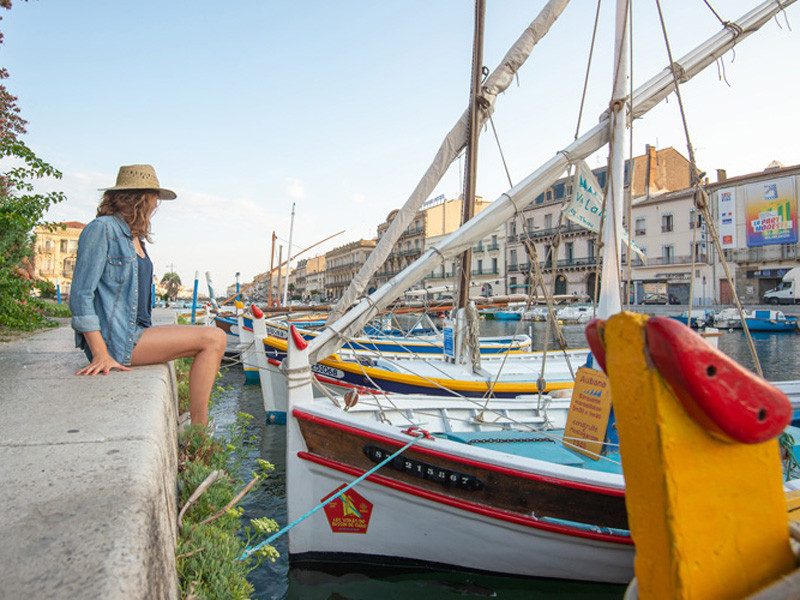
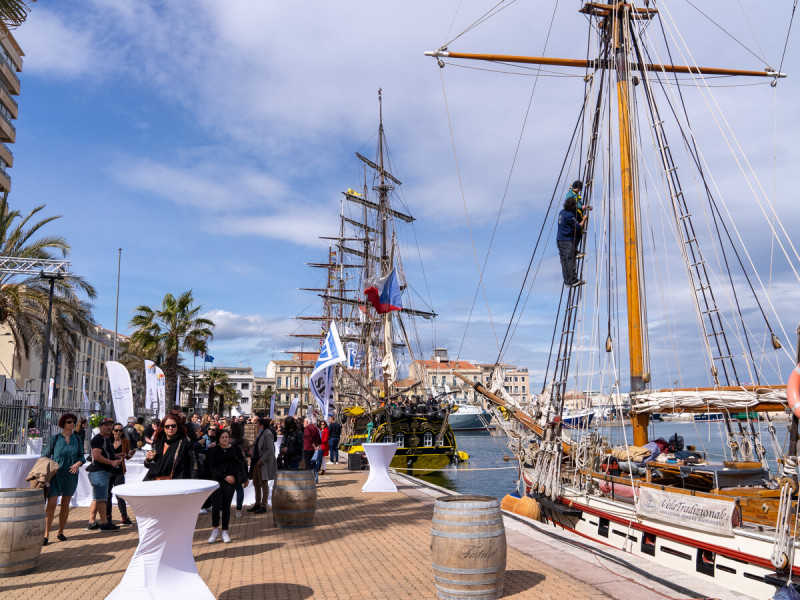
Share great moments and take advantage of the good weather to discover authentic and unmissable events in Sète.
OURSINADE (mid-March)
Every year in Sète, the Oursinade, a large open-air guinguette, attracts visitors who come to taste the best that the Thau Basin has to offer: sea urchins, but also oysters, mussels, tielles and other gastronomic and wine-making delights of the region.
IMAGES SINGULIÈRES (Ascension)
Images Singulières is the event that makes Sète exist in the very select world of photography. Devoted to its documentary bent, this festival celebrates, for 15 days, the diversity of views and gives us a glimpse of what words are not always enough to express. Vernissages, exhibitions, concerts, workshops, artists in residence...
K-LIV...